What I Wish I Knew Before Getting Dental Implants: An Honest Patient Guide
Thinking about dental implants? Here's the honest, practical advice patients wish they'd had before starting, from timeline realities to bone grafting to diet.

The Timeline Is Longer Than Most People Expect, and That's Worth Knowing Upfront
The One Thing Patients Almost Always Say Afterward
When we ask patients what surprised them most about the implant process, the answer is almost always the same: "I didn't realize it would take that long." Dental implants have a 95 to 98 percent success rate within the first five years, and long-term data shows around 92 percent survival at 20 years with proper care (DentalImplantOC, 2024). They're genuinely the gold standard for tooth replacement. But from the day of placement to wearing your permanent crown, you're looking at three to six months of healing. For patients who need a bone graft first, it can be closer to a year. Knowing this going in makes the process far less frustrating.

Six Things Patients Wish They'd Known Before Starting
1. Bone Quality Determines Your Starting Point
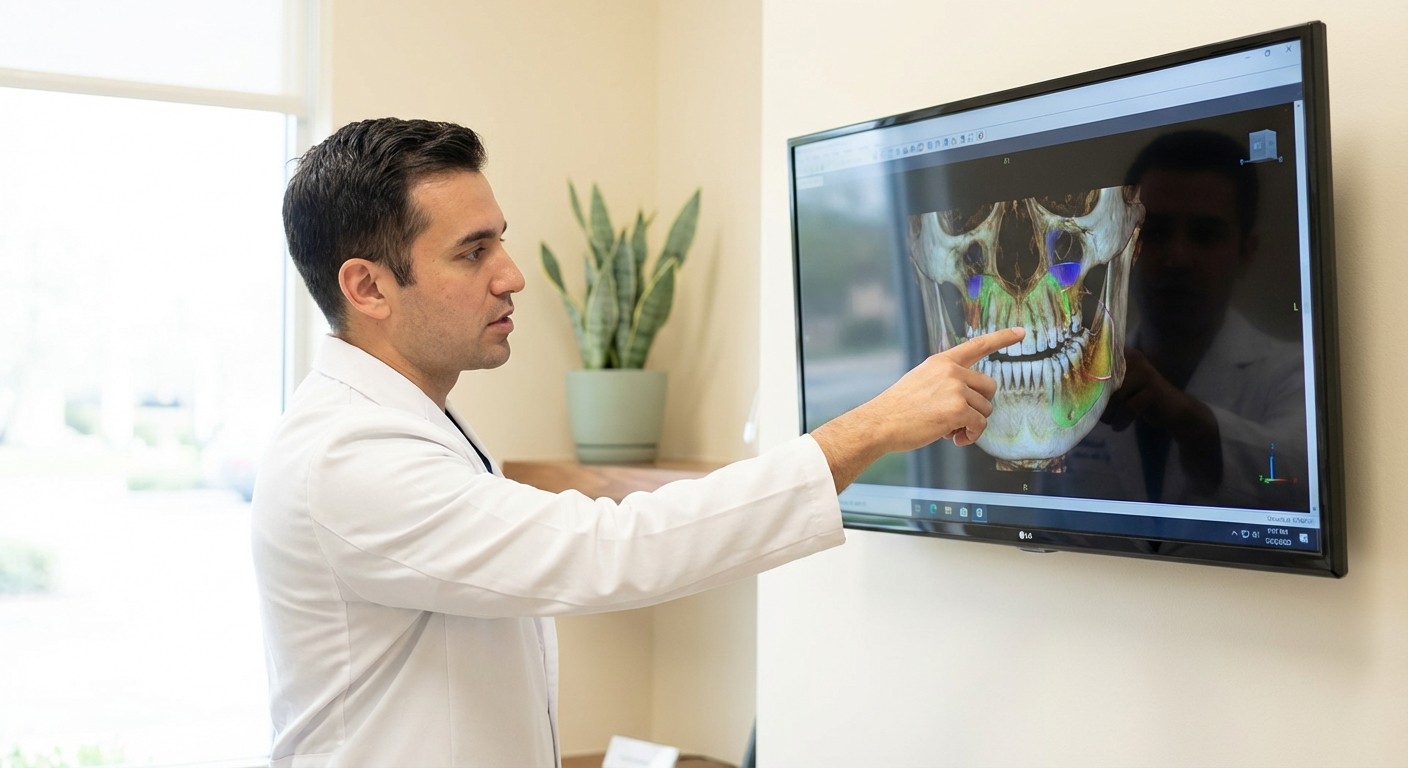
Not everyone is a candidate for immediate implant placement. If you've had a tooth missing for a long time or lost it due to infection, the jawbone in that area may have resorbed. A cone beam CT scan is standard before implant planning, and it tells us exactly how much bone you have to work with. If you need a bone graft, that procedure happens first and requires several months of healing before the implant post can be placed. Read more about the evaluation process on our dental implants service page.
2. Your Diet Changes for a While, and That's Fine
The first two weeks after implant surgery, you're on soft foods. Think yogurt, smoothies, eggs, soft fish, and mashed potatoes. The bigger shift is that during osseointegration, you want to avoid anything that puts excessive pressure on the healing site. According to Tufts University School of Dental Medicine, keeping the surgical site clean and avoiding hard foods are the two most important factors patients control during recovery (Tufts Now, 2025). Our implant recovery timeline blog maps out exactly what each phase involves.

3. Smoking Is a Real Risk Factor, Not Just a Disclaimer
Tobacco is the single most significant modifiable risk factor for implant failure. Smoking impairs blood supply to the surgical site, slows bone fusion, and significantly increases susceptibility to peri-implantitis. Quitting for at least a few weeks before and after surgery dramatically improves outcomes. If you're a smoker who wants implants, the answer isn't no, but it does require a plan.
4. The Procedure Is Usually Less Painful Than You're Imagining
Clinical data comparing implant placement to tooth extraction consistently shows that implant surgery produces less post-operative pain. Most patients rate implant discomfort at 2 to 4 out of 10 at its peak. We go into more detail on this in our implant pain comparison article.
5. The Crown Phase Matters as Much as the Implant Phase
The implant post is hardware. The crown is what you'll actually see and use every day. A well-made, properly fitted crown makes the difference between an implant that looks natural and one that looks slightly off. Ask your dentist about material options and how shading is matched to adjacent teeth.
6. Long-Term Maintenance Is Simple But Non-Negotiable
Implants don't get cavities, but the gum tissue and bone around them can still get infected. Brushing twice daily, flossing, and showing up for professional cleanings every three to six months protects your investment for decades. If you're wondering about the full cost picture, our dental implant cost guide breaks down what to expect financially.

Dental implants are one of the best decisions most patients say they've made for their health and confidence. The key is going in with accurate expectations: a realistic timeline, a recovery plan, and a team you trust. From what we've seen, the patients who do best are the ones who asked good questions before they started. That's exactly what a consultation is for. We welcome patients from Palm Beach Gardens, Jupiter, and North Palm Beach who are ready to start that conversation.
Ready to find out if dental implants are right for you? Schedule a free consultation at Gardens Implant & Cosmetic Dentistry — serving Palm Beach Gardens, Jupiter, and North Palm Beach.
Blog


