Dental Implant Pain Duration & Recovery Timeline 2026 - Day-by-Day Expectations
Complete timeline of post-operative pain after dental implants. Learn what to expect each day, pain management strategies, and when to contact your dentist.
Introduction
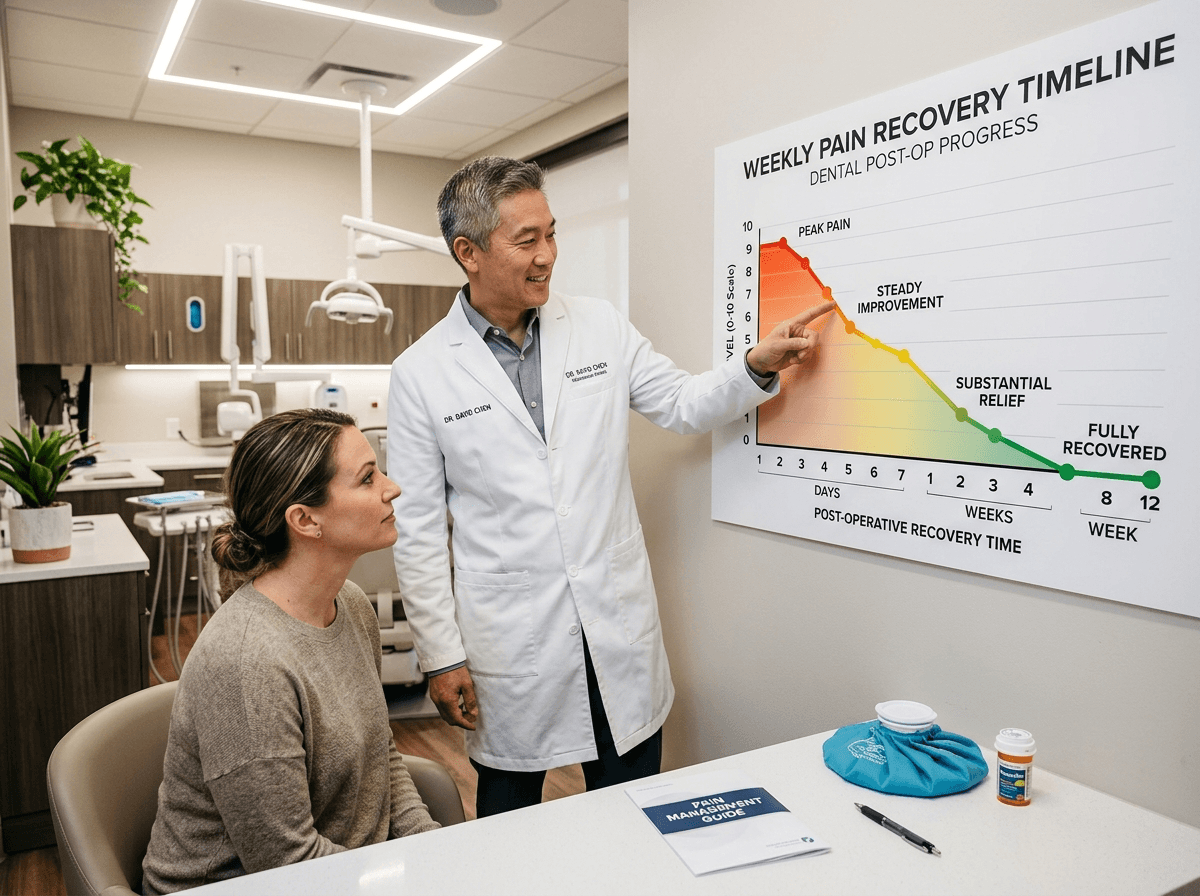
The fear of prolonged post-operative pain keeps many patients from pursuing dental implants. However, most discomfort after implants is temporary and easily manageable with proper pain control strategies. Understanding what to expect each day of implant recovery helps you prepare mentally and physically, ensuring a smoother healing journey. Let's walk through the exact pain timeline after dental implant placement.
Days 1–3 After Dental Implants: Peak Discomfort Phase (Expect Mild to Moderate Soreness)
TLDR – Post-Operative Implant Pain Duration by Phase:
Days 1–3 after implants: Peak discomfort; mild to moderate soreness (manageable with OTC medication)
Days 4–7 after implants: Steady improvement; mild soreness (light pain medication usually adequate)
Days 8–14 after implants: Minimal pain; mostly resolved (OTC medication as-needed)
Weeks 3–4 after implants: Soreness typically gone (occasional mild aching possible)
Months 2–6 after implants: No pain (osseointegration phase is pain-free)
After implant crown placement: Temporary sensitivity (resolves within 1–2 weeks)
Day 1 (Implant Surgery Day): Immediately after local anesthesia wears off (2–4 hours post-op), you'll begin experiencing soreness at the implant site. Most patients describe this implant pain as a dull, achy discomfort rather than sharp pain from implants. Swelling peaks during the first 24 hours after implant placement, which contributes to the tight, sore sensation from implants. Many patients are surprised at how manageable implant pain is—often rating it 2–4 on a 10-point pain scale after implant surgery.
Days 2–3 (Peak Implant Pain Period): Days 2 and 3 typically represent the maximum discomfort period after implant placement. Swelling reaches its peak 2–3 days after implant surgery, potentially causing jaw stiffness and difficulty opening your mouth after implants. Some patients experience mild throbbing at the implant surgical site. Pain levels often range 3–5 on a 10-point scale after implant surgery. This is when you should most consistently use your prescribed or over-the-counter pain medication: ibuprofen (400–600 mg every 4–6 hours) works best for implant pain because it addresses both pain and inflammation from implants.
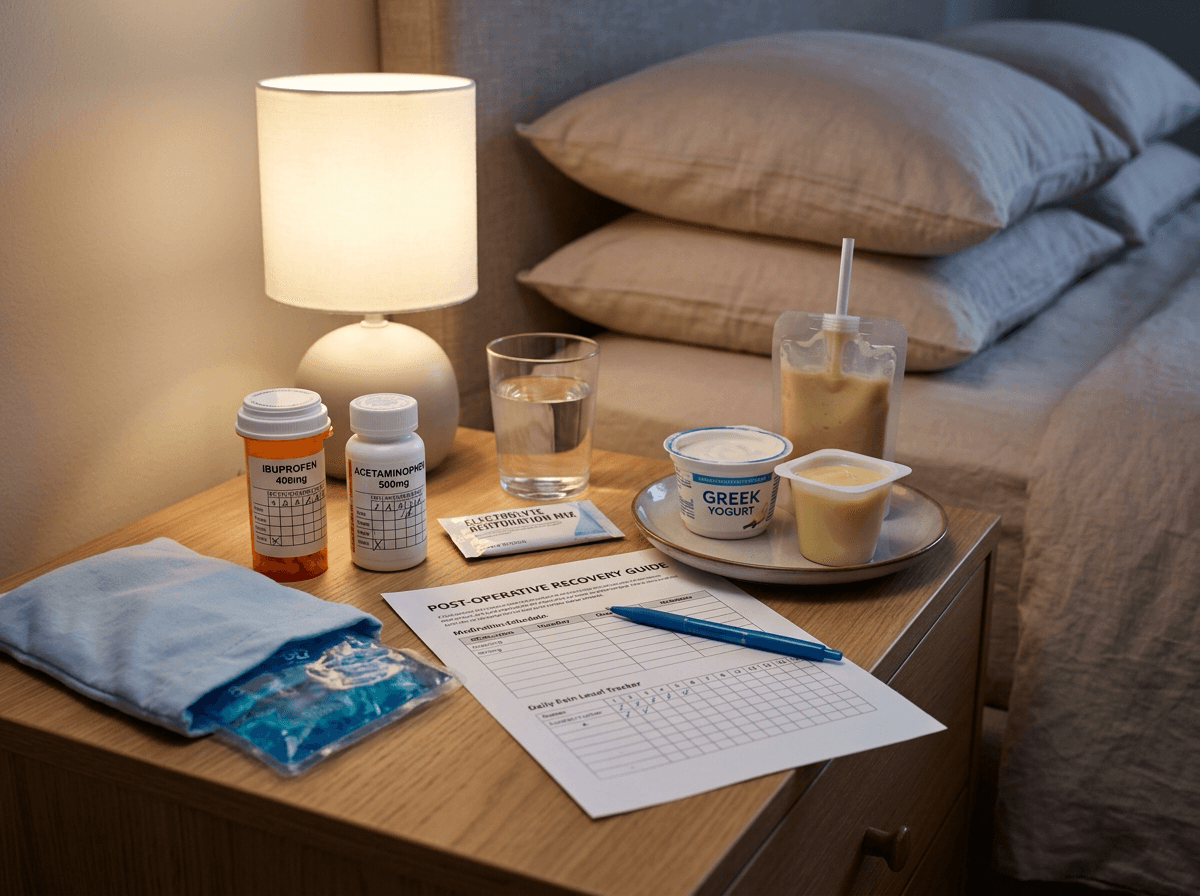
Post-Operative Implant Pain Management Strategies for Days 1–3:
Ice therapy for implant swelling: 20 minutes on, 20 minutes off during first 48 hours after implants (significantly reduces swelling and implant pain)
Ibuprofen + acetaminophen rotation: Alternate every 3–4 hours for implant pain (more effective together for implant discomfort than alone)
Soft diet after implants: Smoothies, pudding, yogurt, applesauce—foods requiring no chewing after implant surgery
Head elevation after implants: Sleep on 2–3 pillows to reduce implant swelling
Avoid hot foods/drinks after implants: Hot liquid increases blood flow to surgical site, worsening implant swelling and pain
Do not disturb implant site: Avoid touching, rinsing, or poking the surgical implant area
Days 4–7 After Implants: Noticeable Improvement (Mild Soreness)
By day 4 after implant surgery, most patients report significant pain reduction from implants. Swelling begins subsiding (most noticeable by day 5 after implants), and the tight, sore sensation from the implant eases considerably. Pain typically drops to 1–2 on a 10-point scale—described as mild aching rather than true implant pain.
What to expect days 4–7 after implants:
Reduced implant swelling (allowing better mouth opening after implants)
Ability to eat soft foods more comfortably after implant recovery
Minimal bruising may appear from implants (perfectly normal)
Sleep becomes easier after implant surgery
Return to light work often possible by day 5 after implants
Implant Pain Management for Days 4–7:
Continue ibuprofen as-needed for implant pain (usually 1–2 times daily now, vs. every 4–6 hours in days 1–3)
Switch from ice to gentle heat after day 3–4 if implant swelling persists (warm compress 15–20 minutes can ease implant soreness)
Gradually introduce warm soft foods after implant surgery (soup, oatmeal, mashed potatoes for implant recovery)
Continue head elevation at night after implant procedure
Attend any scheduled post-operative check-ups for implant assessment
By day 7 after implant placement, most patients are off pain medication entirely or using it only occasionally for minor aching from implants. Many report feeling 70–80% back to normal after implant surgery.

Weeks 2–4 After Implants: Final Resolution (Little to No Implant Pain)
By week 2 after dental implant surgery, the majority of acute post-operative pain from implants has resolved. You may experience occasional mild aching or slight tenderness when chewing near the implant, but this is usually minimal. Some patients report no implant pain whatsoever by week 2 after implant placement.
What to expect weeks 2–4 after implants:
Complete resolution of implant swelling (site feels normal to touch)
Ability to return to normal diet after implant recovery (soft foods still recommended for another week or two)
Full mouth opening restored after implant procedure
Return to regular work and light exercise after implants
Minor clicking or popping sensations at implant surgical site (normal as tissues remodel)
Important note for implant recovery: If you had bone grafting for implants or sinus lift procedures for implants in addition to implant placement, your implant pain timeline extends 1–2 weeks longer. These additional implant procedures involve more trauma and require more extensive healing. Implant pain may persist into week 3–4, but should still be manageable with over-the-counter medication.
By week 4 after implant placement: Nearly 100% of patients are pain-free from implants and have forgotten about the implant surgery entirely.
Months 2–6 After Implants: The Osseointegration Phase (No Pain Expected)
After the initial 2–4 week implant healing period, you enter the osseointegration phase—when the titanium implant fuses with your jawbone. This biological implant process typically takes 3–6 months and is completely pain-free. You won't feel anything happening beneath the surface during implant integration, which is actually perfect—it means the implant is integrating successfully.
During osseointegration of implants:
No pain or discomfort at the implant surgical site
Normal dietary freedom (return to all foods after week 4 post-implant)
Resume all regular exercise and activities after implant healing
Attend follow-up appointments as scheduled (usually 1–2 appointments during implant osseointegration)
Maintain excellent oral hygiene (gentle brushing around surgical area; avoid flossing that area until cleared by dentist)
The only sensation you might notice during implant osseointegration: If you probe the implant surgical site with your tongue, you may feel a slight depression or hardness as bone fills in around the implant. This is completely normal and expected during osseointegration.

Implant Crown Placement: Temporary Sensitivity After Dental Implant Restoration
After osseointegration completes (months 3–6), your dentist takes impressions and fabricates your custom implant crown. When the permanent implant crown is first placed and cemented, you may experience temporary sensitivity after implant crown placement (1–2 weeks) as tissues adjust to the new restoration. This implant crown sensitivity is usually mild and managed with:
Sensitivity toothpaste for implants
Soft toothbrush for implant care
Avoiding very hot or cold foods temporarily after implant crown placement
By 2–3 weeks after implant crown placement, this implant sensitivity resolves entirely, and you have a fully functional, permanent implant tooth that should feel natural and pain-free for decades.
When to Contact Your Implant Dentist: Red Flags After Dental Implants
Most post-operative implant discomfort is normal, but certain symptoms warrant immediate contact with Gardens Implant & Cosmetic Dentistry for implant concerns:
Severe implant pain (7–10 on pain scale) not relieved by medication after day 4–5
Excessive bleeding from implant site that won't stop after 30 minutes of gentle pressure
Fever over 101°F (suggests implant infection)
Severe implant swelling that worsens after day 3 or blocks airway
Pus or foul odor from implant surgical site (sign of implant infection)
Loose implant or feeling the implant move (contact immediately about loose implant)
Numbness or tingling that persists beyond 48 hours (possible nerve involvement from implant surgery)
These implant complications are rare when post-operative instructions are followed carefully, but professional evaluation is important if they occur.
Implant Pain Is Temporary; Implant Results Are Permanent
The post-operative discomfort after dental implants is temporary—typically mild and manageable for 7–10 days after implants, with complete implant pain resolution by week 4. When you compare this brief discomfort to the decades of function and confidence your permanent implant tooth replacement provides, the temporary implant soreness seems inconsequential.
Most patients say the anticipation of implant pain was worse than the actual implant experience. By following post-operative instructions, using appropriate implant pain management, and staying in close contact with your implant dental team, you can navigate implant recovery smoothly and comfortably. Ready to take the next step toward smile restoration with implants? Schedule your implant consultation at Gardens Implant & Cosmetic Dentistry. Call (561) 691-1629.
Blog