What Does 7 Mean at the Dentist? Understanding Periodontal Pocket Numbers
Heard a 7 called out at your last cleaning? Here's what periodontal pocket depth numbers mean, why a 7 is a red flag, and what treatment looks like.

A 7 at the Dentist Means Advanced Gum Disease, and It Needs Attention Soon
What That Number Actually Measures
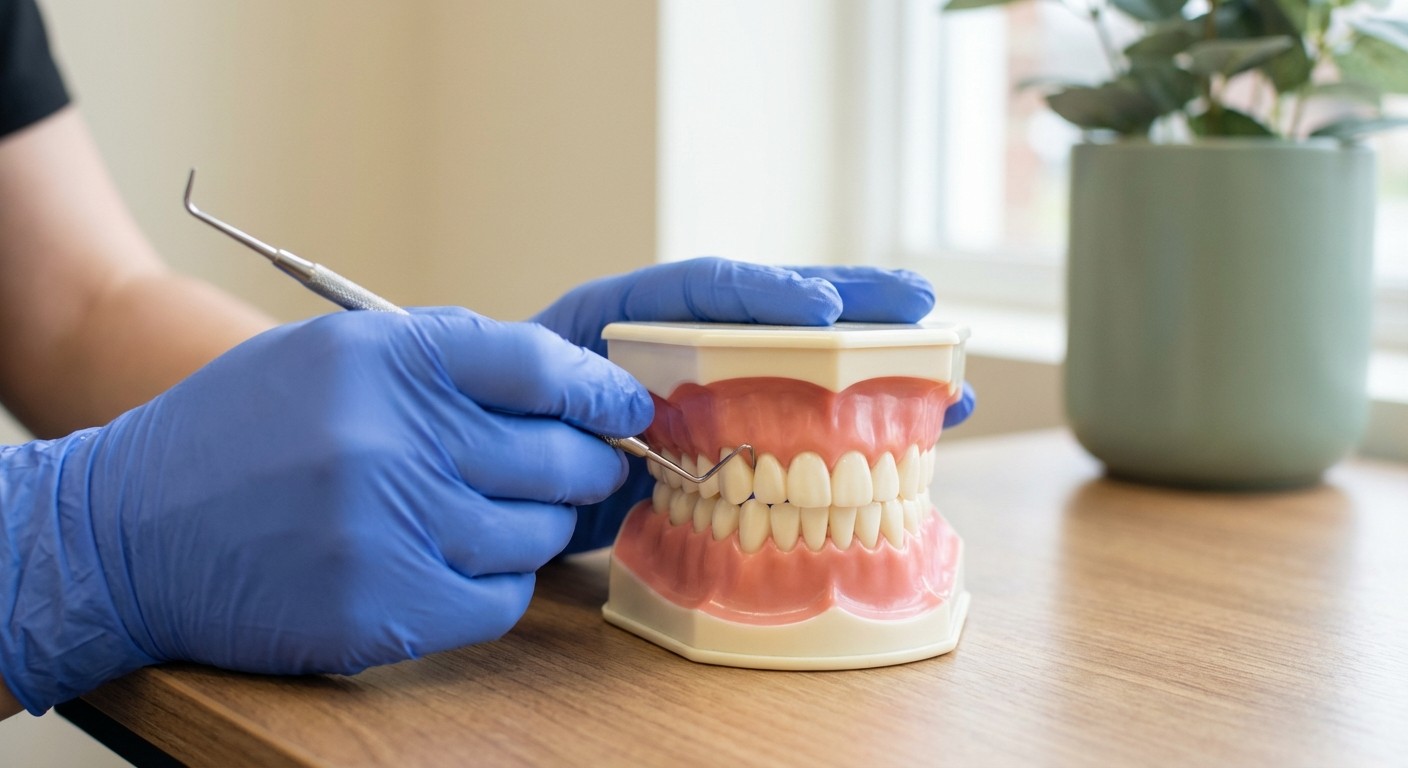
During a routine cleaning, your hygienist slides a thin, blunt instrument called a periodontal probe gently into the space between your tooth and gum. They call out numbers ranging from 1 to sometimes 10 or higher. Those numbers are millimeter measurements of the pocket depth at that point. Healthy gums produce readings of 1 to 3 millimeters with no bleeding. A 4 is worth watching. A 5 or 6 suggests periodontitis has begun. A 7 indicates advanced periodontitis with measurable bone loss, and your provider may refer you to a periodontist for specialized treatment. According to the CDC and NIDCR, 42.2 percent of American adults 30 and older have some form of periodontal disease (NIDCR, 2024).

The Full Pocket Depth Scale, Explained Without the Jargon
What Each Number Range Means for Your Gum Health
1 to 3 millimeters with no bleeding: healthy. Your gums are holding tight to your teeth, and there's no sign of infection or detachment. 4 millimeters is an early warning. Gum tissue has started pulling away slightly and more frequent cleanings are recommended. 5 to 6 indicates established periodontitis with bone involvement. 7 and above is categorized as advanced periodontitis. At this stage, the gum tissue has detached significantly from the tooth, bone loss is present, and teeth may begin to loosen. This is not a watch-and-wait situation. The pockets become difficult to clean at home, bacteria accumulate, and damage compounds over time.
What Treatment for a 7 Actually Looks Like
A 7 doesn't automatically mean surgery. The first line of treatment is usually scaling and root planing, a deep cleaning that goes below the gumline to remove bacteria, tartar, and infected tissue from the root surface. In many cases, this combined with improved home care can bring pocket depths down by 1 to 2 millimeters over time. From what we've seen, patients who stick with the recommended follow-up schedule after deep cleaning respond well. Our periodontal treatment services are designed for exactly this kind of situation. If bone loss is significant and pockets aren't responding to non-surgical care, additional procedures may be discussed. The key is not waiting. Every month a deep pocket goes untreated, the condition progresses.
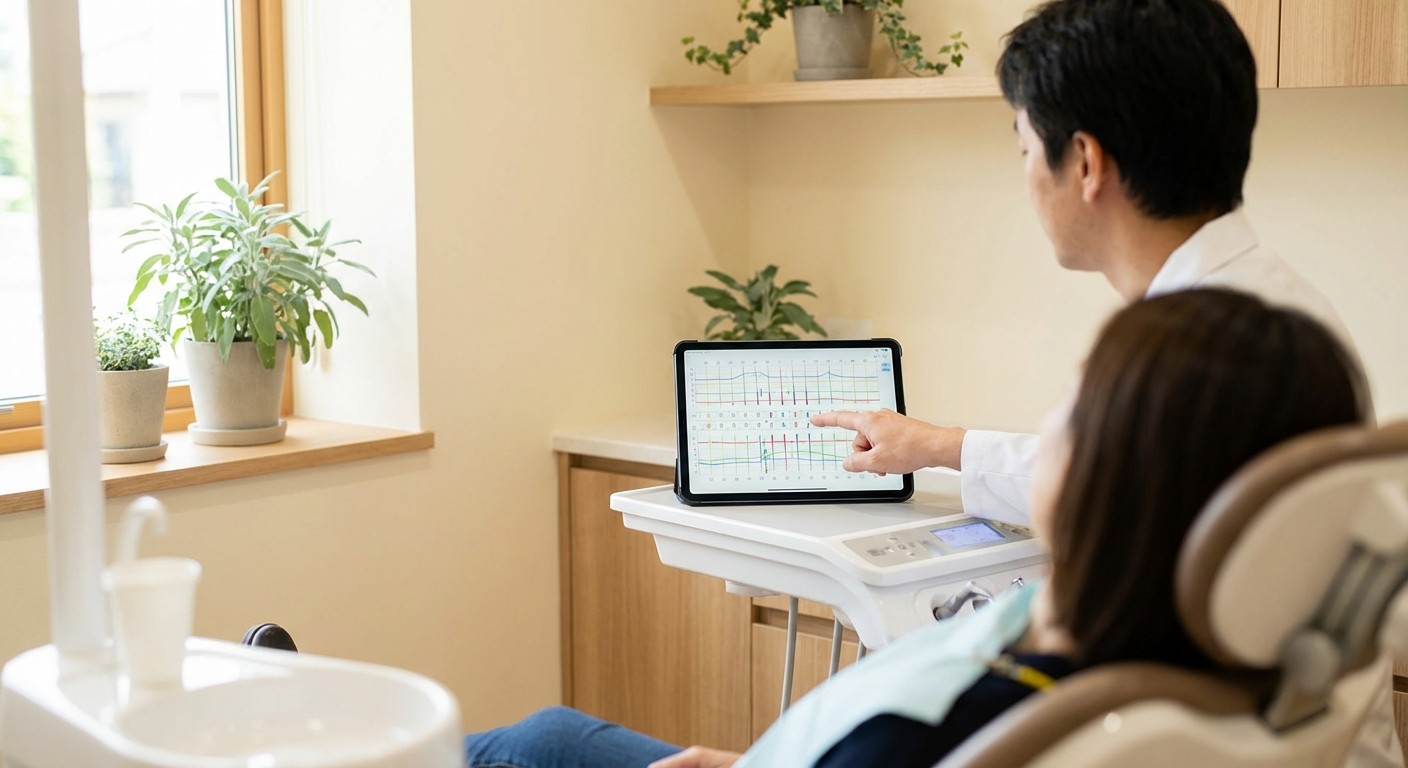

If you heard a 7 (or several) at your last cleaning, you're not alone, and it's not a reason to panic. It is a reason to act. Gum disease is treatable, especially when caught before it reaches the point of tooth loss. We work with patients across Palm Beach Gardens, Jupiter, and North Palm Beach who came in worried about those numbers and left with a clear plan. The sooner you come in, the more options you have.
Ready to find out if periodontal treatment is right for you? Schedule a free consultation at Gardens Implant & Cosmetic Dentistry — serving Palm Beach Gardens, Jupiter, and North Palm Beach.
Blog


