What I Wish I Knew Before Dental Implants - Expert Insights 2026
Learn the critical lessons from implant patients and specialists about what to know before getting dental implants. Expert advice from Palm Beach Gardens dental professionals.

Introduction
Dental implants can be life-changing, but the journey from consultation to final restoration involves many surprises—some pleasant, some challenging. At Gardens Implant & Cosmetic Dentistry, we've worked with hundreds of patients who wish they'd understood certain aspects of implant therapy before starting treatment. By sharing these insights, we hope you can enter your implant journey with realistic expectations and confidence.
The Dental Implant Timeline Is Longer Than Most People Expect: 4–12 Month Reality
TLDR – Critical Pre-Treatment Knowledge:
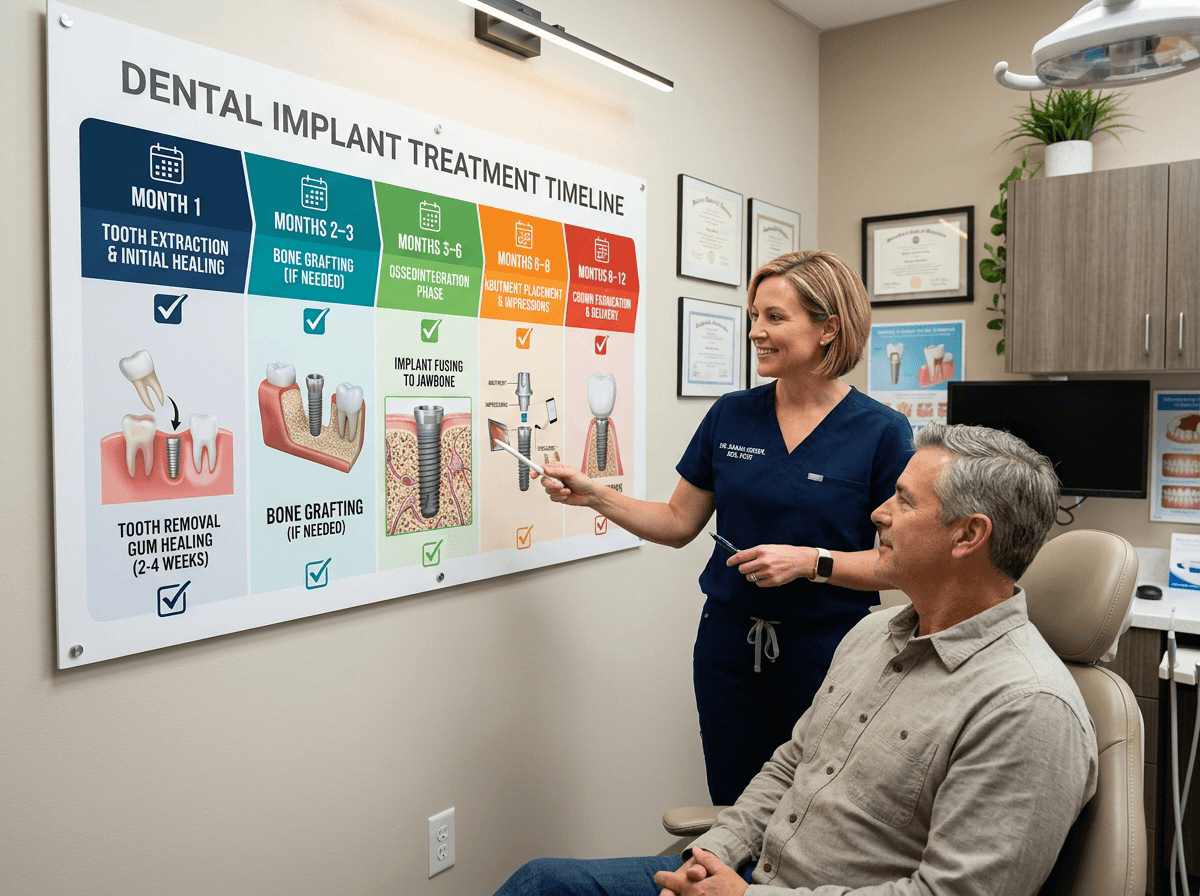
Total dental implant treatment timeline: 4–12 months (not a quick fix)
Osseointegration alone: 3–6 months (implant must fuse to bone)
Bone grafting adds: 2–4 additional months to implant process
Sinus lift procedures add: 4–6 months of healing time before implant placement
You'll need multiple appointments throughout the dental implant journey
Temporary tooth replacement options are available during implant waiting periods
Patience is required for dental implants, but permanent results are worth it
Many patients assume they can get a tooth implant and walk out with a full restoration the same week. The reality of the dental implant process is far different. The dental implant procedure timeline involves multiple stages that cannot be rushed. After tooth extraction for implants, the dental implant must be surgically placed into the jawbone. Then begins osseointegration—a biological process where bone cells bond to the titanium implant surface. This fusion is what makes dental implants so durable (25+ years), but it requires 3–6 months of uninterrupted healing.
If you have severe bone loss requiring grafting or need a sinus lift for dental implants, add another 4–6 months to your implant timeline. This is why same-day dental implants are only suitable for select cases with ideal bone quality. Understanding this implant timeline upfront prevents frustration and helps you plan accordingly. Many patients wish they'd known they could request temporary dentures during implant healing or provisional implant crowns during the waiting period—maintaining their appearance and confidence while osseointegration occurs.

Dental Implant Success Depends Heavily on Your Lifestyle Choices: Smoking, Diet, and Maintenance
TLDR – Non-Negotiable Success Factors for Implants:
Smoking and implant failure: Reduces implant success rates by 50%+ (must quit before surgery)
Alcohol consumption and implants: Excessive drinking impairs healing and bone integration
Oral hygiene for implants: Daily brushing, flossing, and professional cleanings are mandatory
Diet and implant durability: Avoid hard, sticky, and crunchy foods for years, not just weeks
Diabetes management for implant success: Must be well-controlled (A1C under 7) for implant health
Stress and implant healing: High cortisol from chronic stress can impair bone integration
Implant maintenance schedule: Professional cleanings every 3–6 months are essential for implant longevity
After placing thousands of dental implants, specialists have learned that implant failure often correlates with patient behavior—not surgical technique. Patients who smoke face dramatically higher implant failure rates because nicotine constricts blood vessels, reducing oxygen and nutrient delivery to healing tissues during implant osseointegration. Excessive alcohol consumption impairs bone healing and immune function, increasing infection risk around the dental implant.
One of the biggest surprises for many patients is discovering that implant maintenance exceeds natural tooth care. You cannot just brush your implant crown like a regular tooth. The gum tissue around implants lacks the protective periodontal ligament that natural teeth have, making them more vulnerable to periodontal disease around implants. Patients with a history of gum disease affecting implants or poor oral hygiene have significantly higher implant failure rates. This is why your dentist will ask detailed questions about your smoking history, alcohol consumption, and commitment to oral hygiene before recommending dental implants. Be honest during your implant consultation—these factors truly determine implant success.
Dental Implant Costs: The Price Is Just the Beginning—Factor in Lifetime Implant Maintenance
Many patients focus solely on the upfront dental implant cost ($2,500–$3,500 per tooth) and forget about long-term implant expenses. Professional cleanings every 3–6 months for implant maintenance cost $150–$300 per visit. While most dental insurance covers routine cleanings at 100%, some plans specifically exclude implant-specific maintenance. Additional costs arise when complications occur: a loose implant crown might need recementing ($100–$300), or peri-implantitis (gum disease around the implant) requires laser therapy or bone grafting ($500–$3,000+).
The good news? When maintained properly, dental implants last 25–30+ years—far longer than dentures that require frequent replacement (5–10 years, requiring replacements every few years) or dental bridges with implant risk (10–15 years with potential damage to adjacent teeth). By comparison, lifetime implant costs are actually lower than alternative replacement options. During your implant consultation, ask about realistic long-term implant maintenance costs at your practice. Gardens Implant & Cosmetic Dentistry provides transparent implant cost estimates including professional cleaning schedules and potential complications.

Selecting the Right Dental Implant Specialist: Experience and Credentials Matter for Dental Implants
Not all dentists are equally qualified to place dental implants. General dentists can place simple implant cases, but complex situations—severe bone loss, multiple implants, esthetic demands—require a periodontist or implant specialist with advanced surgical training. Patients who wish they'd done more research on their implant provider often regret choosing based on price alone. A cheaper implant placed by an inexperienced provider might fail within 2–3 years, requiring costly removal and replacement of the failed implant.
When selecting your implant dentist, ask about credentials: Are they board-certified by the American Board of Periodontology? How many implant cases have they completed? Do they use advanced diagnostics like 3D CBCT imaging for implant planning and digital smile design for implants? Do they offer sedation dentistry for anxious implant patients? At Gardens Implant & Cosmetic Dentistry, we encourage patients to review specialist credentials, before-and-after implant photos, and patient testimonials. Investing in an experienced implant specialist typically results in superior outcomes, fewer complications, and dental implants that last your lifetime.
Dental Implant Preparation Is Everything
The patients who express the most satisfaction with their dental implants are those who approached treatment with realistic expectations, understood the implant timeline, committed to lifestyle changes, and chose experienced implant specialists. Schedule a comprehensive implant consultation to discuss your specific situation and learn what your implant journey will truly involve.
Call (561) 691-1629 or book your free consultation to speak with our implant specialists about your unique needs and expectations.
Blog


