Cracked Tooth with No Pain: Should I Still See a Dentist?
Have a cracked tooth but no pain? Learn why you should still see a dentist immediately and what complications can develop if left untreated.
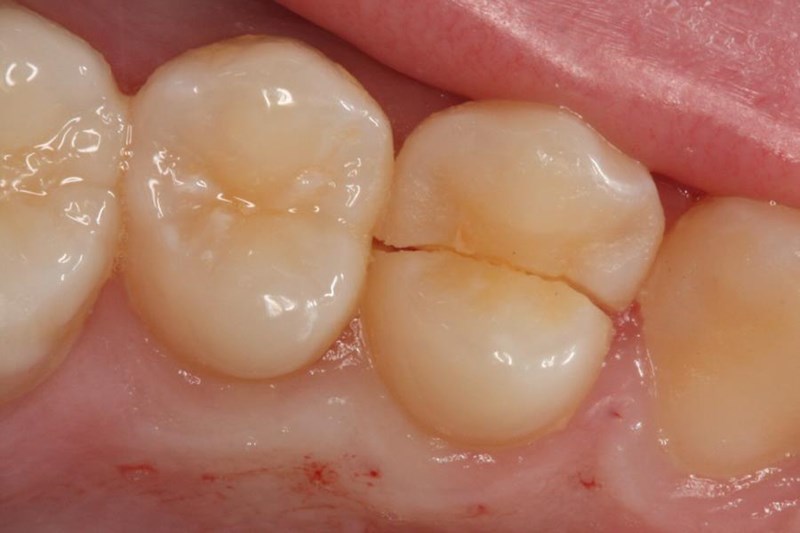
A Painless Crack Doesn't Mean No Problem
Just because your cracked tooth doesn't hurt doesn't mean you can ignore it. A cracked tooth without pain is often more dangerous than a painful one because the lack of symptoms can lead to delayed treatment and more serious complications.
Dr. Hans Almanzar and Dr. Jesse Lemoine at Gardens Implant & Cosmetic Dentistry in Palm Beach Gardens frequently see patients who waited too long to address painless cracks, resulting in more complex and expensive treatments that could have been prevented.

Why Cracked Teeth Don't Always Hurt
The Anatomy of Tooth Pain
Tooth pain occurs when damage reaches the inner pulp containing nerves and blood vessels. A crack that hasn't yet penetrated this deep may cause no immediate discomfort, but it's only a matter of time.
Types of Tooth Cracks
Surface-level cracks in tooth enamel
Usually painless and cosmetic only
Still requires monitoring for progression
Crack around a dental filling
May cause mild sensitivity
Often painless until the piece breaks off
Crack extends from the chewing surface toward the root
May be painless initially, but will worsen
Requires immediate treatment to prevent tooth loss
Complete crack dividing the tooth into segments
Often develops from an untreated cracked tooth
Usually requires extraction
Why You Should Never Wait
Bacterial Infection Risk
Even painless cracks create pathways for bacteria to reach the tooth's inner pulp, leading to:
Abscess formation requiring emergency treatment
Bone infection that can spread to other areas
Tooth loss necessitating replacement options
Progressive Damage
Cracks rarely heal on their own and typically worsen over time due to:
Chewing forces that widen existing cracks
Temperature changes causing expansion and contraction
Normal wear from daily use
Immediate Steps for a Cracked Tooth
Protect the Tooth
While scheduling your appointment with Dr. Almanzar or Dr. Lemoine:
Avoid chewing on the cracked tooth
Use the opposite side of your mouth for eating
Avoid extremely hot or cold foods and beverages
Consider over-the-counter pain relief if discomfort develops
Temporary Measures
Rinse with warm salt water to keep the area clean
Apply dental wax to sharp edges to protect your tongue
Avoid hard, sticky, or chewy foods
Treatment Options at Gardens
For Minor Cracks
Dental Bonding: $300-$600 Tooth-colored resin applied to seal and strengthen minor cracks.
Porcelain Veneers: $800-$1,500 Thin shells that cover and protect cracked front teeth.
For Moderate to Severe Cracks
Dental Crowns: $800-$1,500 - Full coverage restoration that protects and strengthens the entire tooth.
Root Canal + Crown: $1,500-$2,500 - Necessary when the crack has reached the pulp, followed by crown placement.
Advanced Cases
Tooth Extraction + Replacement: $1,500-$4,000 - When the tooth cannot be saved, extraction followed by implant or bridge.
Prevention Tips
Protect Your Teeth
Wear a mouthguard during sports
Avoid chewing ice, hard candies, or non-food items
Don't use teeth to open packages or bottles
Address teeth grinding with a night guard
Regular Dental Care
Regular checkups allow Dr. Almanzar and Dr. Lemoine to identify and treat small cracks before they become major problems.

Don't Wait for Pain to Seek Treatment
A cracked tooth without pain is a ticking time bomb. Early intervention by Dr. Hans Almanzar and Dr. Jesse Lemoine at Gardens Implant & Cosmetic Dentistry can save your tooth and prevent costly complications.
Schedule your same-day appointment now. Our Palm Beach Gardens team uses advanced diagnostic technology to assess crack severity and provide the most conservative treatment possible.
The longer you wait, the more complex and expensive the treatment becomes. Call Gardens Implant & Cosmetic Dentistry today for expert care of your cracked tooth.
Blog


