Swollen Gums Around One Tooth: Causes and When to Seek Emergency Care
Experiencing swollen gums around one tooth? Learn the causes, when it's a dental emergency, and how our Palm Beach Gardens team can provide relief.
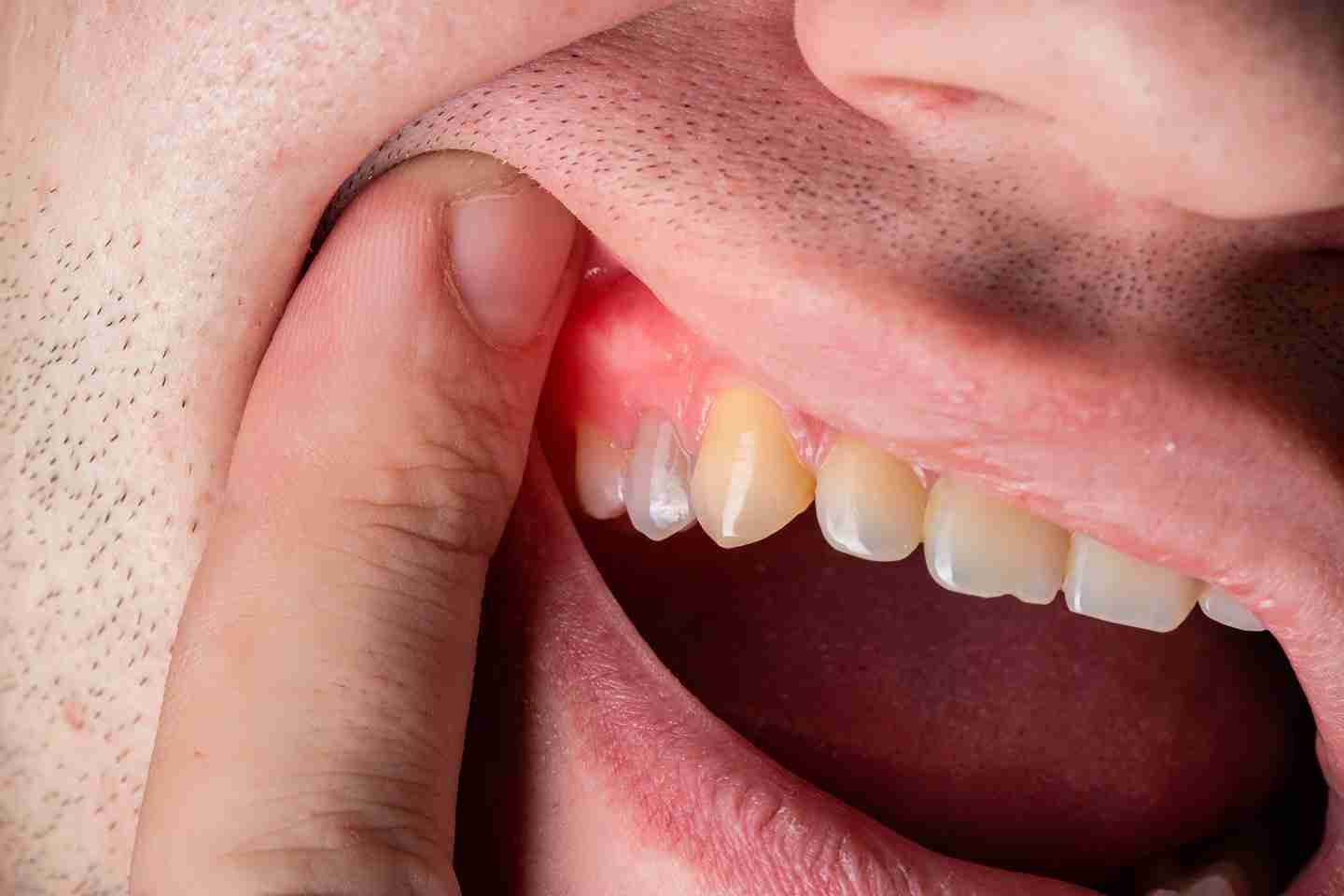
The Mystery of Localized Swelling: Why Is Only One Tooth Affected?
You wake up, brush your teeth, and suddenly notice it: a tender, puffy red bump right next to a single tooth. The rest of your mouth feels healthy, but that one specific spot is throbbing or sensitive to the touch.
Localized gum swelling is one of the most common issues patients experience, but it is also one of the most misunderstood. Unlike general gum inflammation (gingivitis), which affects the entire gum line, swelling around just one tooth is a targeted warning sign. It tells us that your body is fighting a specific irritant or infection trapped in that exact location.
At Gardens Implant and Cosmetic Dentistry, we want to help you understand what your gums are trying to tell you. In this guide, we will explore the mechanical and bacterial causes of localized swelling and help you decide if you can manage it at home or if you need to call us for an emergency visit.

Why Is Only One Tooth Swollen?
When swelling is isolated to a single area, the cause is usually a specific irritant or a localized infection. Here are the four most common culprits we diagnose:
1. Trapped Food Debris (The "Popcorn" Effect)
This is the most frequent cause of sudden, localized swelling. Small, hard particles, like popcorn hulls, strawberry seeds, or slivers of bone, can get wedged deep into the sulcus (the tiny space between the tooth and the gum).
The Reaction: Your immune system recognizes the object as a foreign invader and rushes blood to the area to "flush" it out, causing rapid swelling, redness, and tenderness.
The Fix: Gentle flossing is often enough to dislodge the debris and resolve the issue.
2. Periodontal Abscess (Deep Gum Infection)
If you have a history of gum disease, you may have "pockets" between your teeth and gums. Bacteria can build up inside these pockets and become trapped, creating a painful, pus-filled bump known as an abscess.
The Symptoms: The gum looks shiny, red, and swollen (often resembling a pimple). You may experience a bad taste in your mouth.
The Danger: An abscess is an active infection that can destroy the surrounding jawbone if not treated with professional drainage and antibiotics.
3. Periapical Abscess (Tooth Root Infection)
Sometimes, the swelling on the gum isn't caused by the gum itself, but by the tooth underneath. If a tooth has a dying nerve (due to a deep cavity or a crack), the infection can travel down the root and push out into the gum tissue.
The Sign: You might see a small, pimple-like bump on the gum line (called a fistula) that releases fluid when pressed. This requires a root canal to save the tooth.
4. Mechanical Trauma
Did you recently switch to a hard-bristled toothbrush, floss too aggressively, or accidentally scratch your gums with a fingernail or utensil? Trauma can cause a hematoma (blood blister) or simple inflammation. This typically feels more like a bruise than an infection and will usually heal on its own within a few days.
Home Care: First Steps to Take
If the swelling is mild and you are not in severe pain, try these steps first:
Salt Water Rinses: Rinse with warm salt water 3-4 times a day. This is a natural disinfectant that helps draw out fluid and reduce inflammation.
Check Your Flossing: Gently floss around the swollen area to ensure no food particles are trapped.
Avoid Irritants: Stop using strong mouthwashes (containing alcohol) or whitening products until the area heals.
The Red Zone: When Is It a Dental Emergency?
While minor irritation can wait, an infection cannot. You should consider swollen gums a dental emergency if:
The swelling is spreading: If it moves to your cheek, jaw, or under your eye, call us immediately.
You have a fever: A temperature over 100°F indicates the infection may be systemic.
Severe, throbbing pain: This usually indicates active nerve involvement or high pressure in an abscess.
Difficulty swallowing or breathing: This is a medical emergency; go to the ER or call 911.

Don’t Wait for the Infection to Spread
Swollen gums around one tooth are rarely "random." Whether it is a warning sign of a hidden crack, a deep infection, or simply a stubborn piece of debris, ignoring it allows the problem to worsen. In the case of an abscess, waiting too long can result in the loss of the tooth.
We use advanced diagnostic imaging to look below the gum line and identify the root cause instantly.
Contact us immediately if you are experiencing painful swelling. We are here to provide the relief you need and get your oral health back on track.
Blog


