
OUR SERVICES
Dental Bonding
Dental Bonding: The Fast Fix for a Flawless Smile
Do you have a small chip in a front tooth that bothers you? A gap that makes you self-conscious? Or a stubborn stain that whitening won't touch? You might not need expensive veneers or crowns.
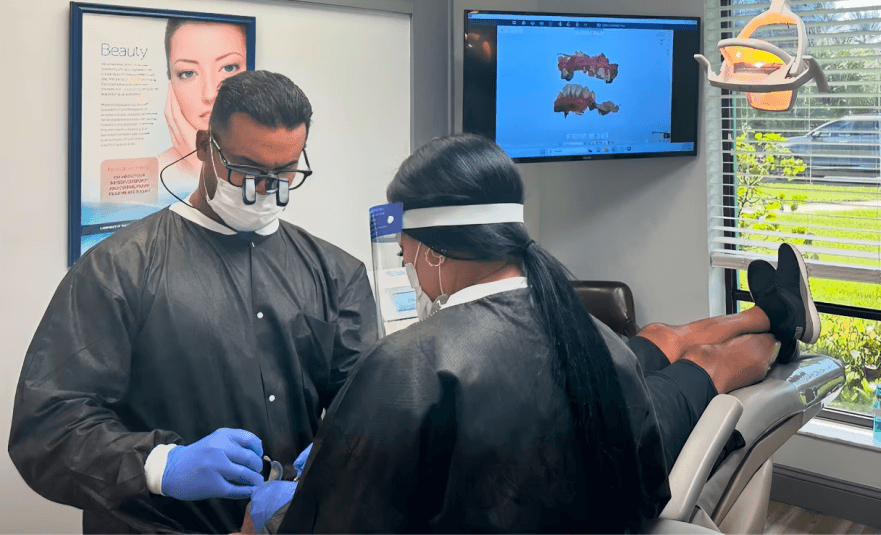
At Gardens Implant & Cosmetic Dentistry, we offer Dental Bonding, a simple, artistic procedure that can transform your smile in a single visit.
Dental bonding uses a tooth-colored composite resin (the same durable material used for white fillings) to sculpt, reshape, and perfect your teeth. It is one of the most conservative and affordable ways to improve your smile instantly.

Why Choose Gardens for Your Bonding?
Bonding is often called "freehand dentistry" because the dentist sculpts the material directly onto your tooth. The result depends entirely on the dentist's skill and artistic eye.
Artistic Precision: Dr. Hans Almanzar approaches bonding like a sculptor. He carefully layers different shades of composite to mimic the natural translucency and depth of your enamel, ensuring the repair blends invisibly.
Minimally Invasive: We believe in preserving your natural tooth. Bonding typically requires little to no removal of your natural enamel, making it a safe, reversible option for cosmetic improvements.
One-Visit Transformation: Unlike veneers or crowns that require lab time, bonding is completed right here in our chair. You walk in with a flaw and walk out with a perfect smile.
PROCEDURE
The Bonding Process
This is one of the easiest and most comfortable procedures we offer. It typically takes 30 to 60 minutes per tooth.
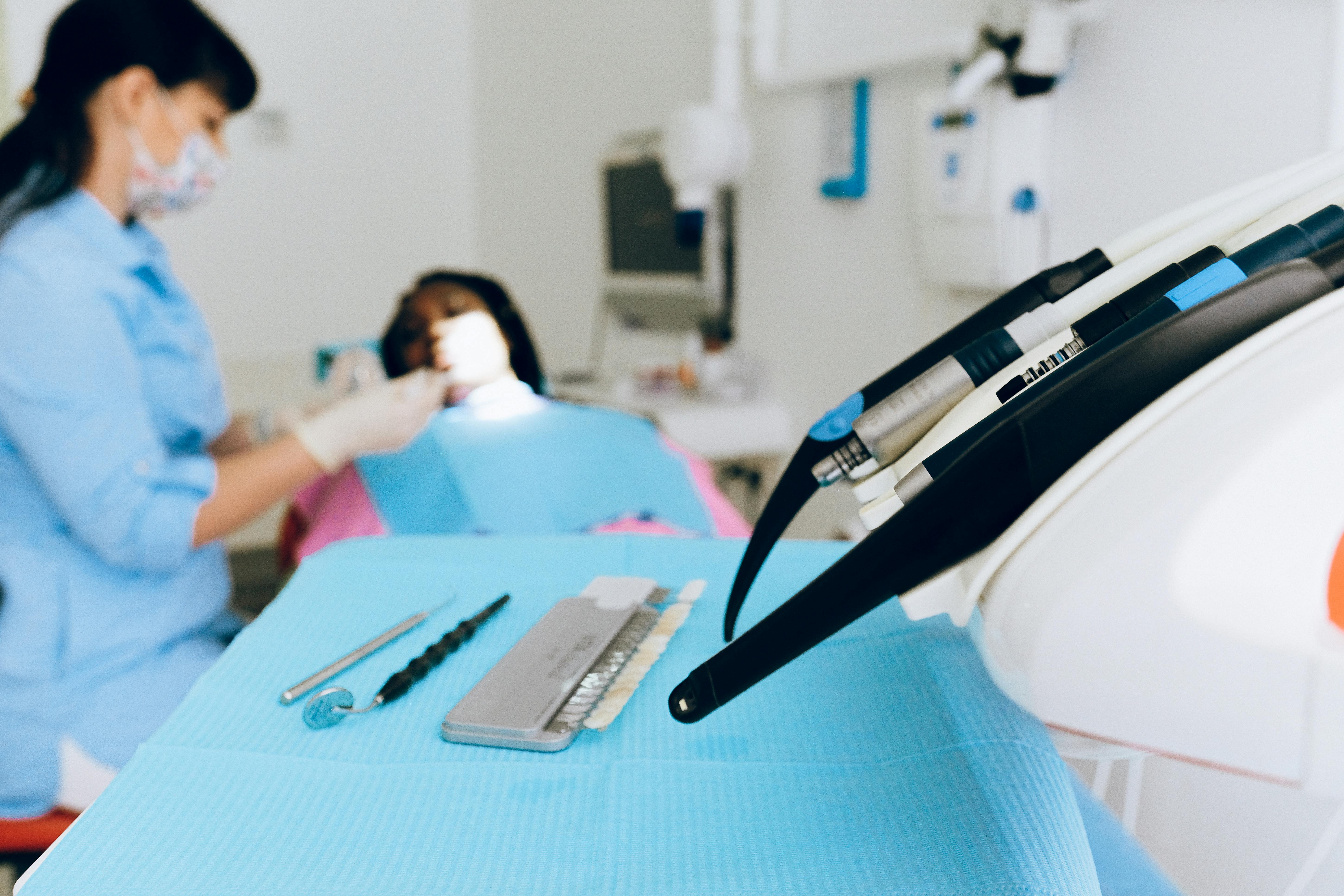
Shade Selection: We use a shade guide to select a composite resin color that perfectly matches your natural teeth.
Preparation: We lightly roughen the surface of the tooth and apply a conditioning liquid. This helps the bonding material adhere securely. Anesthesia is usually not required unless the chip is near the nerve.
Application: The dentist applies the putty-like resin to the tooth, molding and smoothing it to the desired shape.
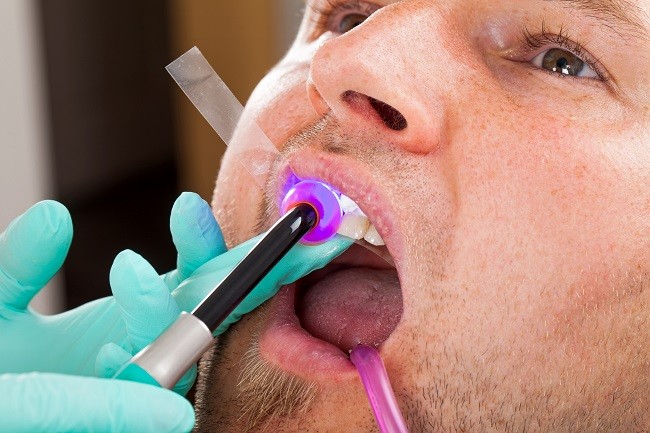
Curing: We use a high-intensity light to harden the material in seconds.
Polishing: Finally, we trim and polish the bonded tooth to match the sheen of the rest of your smile.
TESTIMONIAL
Patient Success Story: Closing the Gap
Actual Patient Scenario
The Challenge: "Michael," a 22-year-old student, had a small gap (diastema) between his two front teeth. He felt it made him look younger than he was. He considered braces but didn't want to wait months for results, and veneers were outside his budget.
The Solution: Dr. Almanzar recommended cosmetic bonding. In a single appointment, he added a small amount of composite to the inner edges of both front teeth to close the space perfectly.
The Result: Michael looked in the mirror and couldn't believe it was the same smile. The gap was gone, and the teeth looked completely natural. He told us, "It was so fast and easy. I can't believe I waited this long to do it!"
FAQs
Frequently Asked Questions
Is bonding permanent?
No, but it is long-lasting. Bonding materials can last anywhere from 3 to 10 years, depending on your habits (like chewing ice or grinding teeth). It is easy to repair or replace if it chips or wears down.
Does it stain?
The composite resin can pick up stains over time from coffee, tea, red wine, or smoking, much like natural teeth. However, unlike natural teeth, bonding material cannot be whitened. We recommend professional cleaning to keep it bright.
How does it compare to veneers?
Veneers are made of porcelain, are more durable, highly stain-resistant, and last longer (10-15+ years), but they cost more. Bonding is faster, less expensive, and reversible, but less durable. Bonding is often a great "stepping stone" to veneers.
Does it hurt?
Not at all. Because we are adding to the tooth rather than drilling it away, most bonding procedures are done without any shots or drilling. It is completely painless.
Can bonding fix crooked teeth?
For minor misalignments, yes. We can use bonding to reshape a crooked tooth, so it appears straight ("instant orthodontics"). However, for severe crowding or bite issues, we would recommend Invisalign®.