
OUR SERVICES
Root Canal Therapy
Root Canal Therapy: Stop the Pain and Save Your Tooth
When you hear "root canal," you might think of pain. But the truth is, a root canal doesn't cause pain; it cures it.
At Gardens Implant & Cosmetic Dentistry, we perform root canal therapy to rescue teeth that have been severely compromised by deep decay, cracks, or infection.
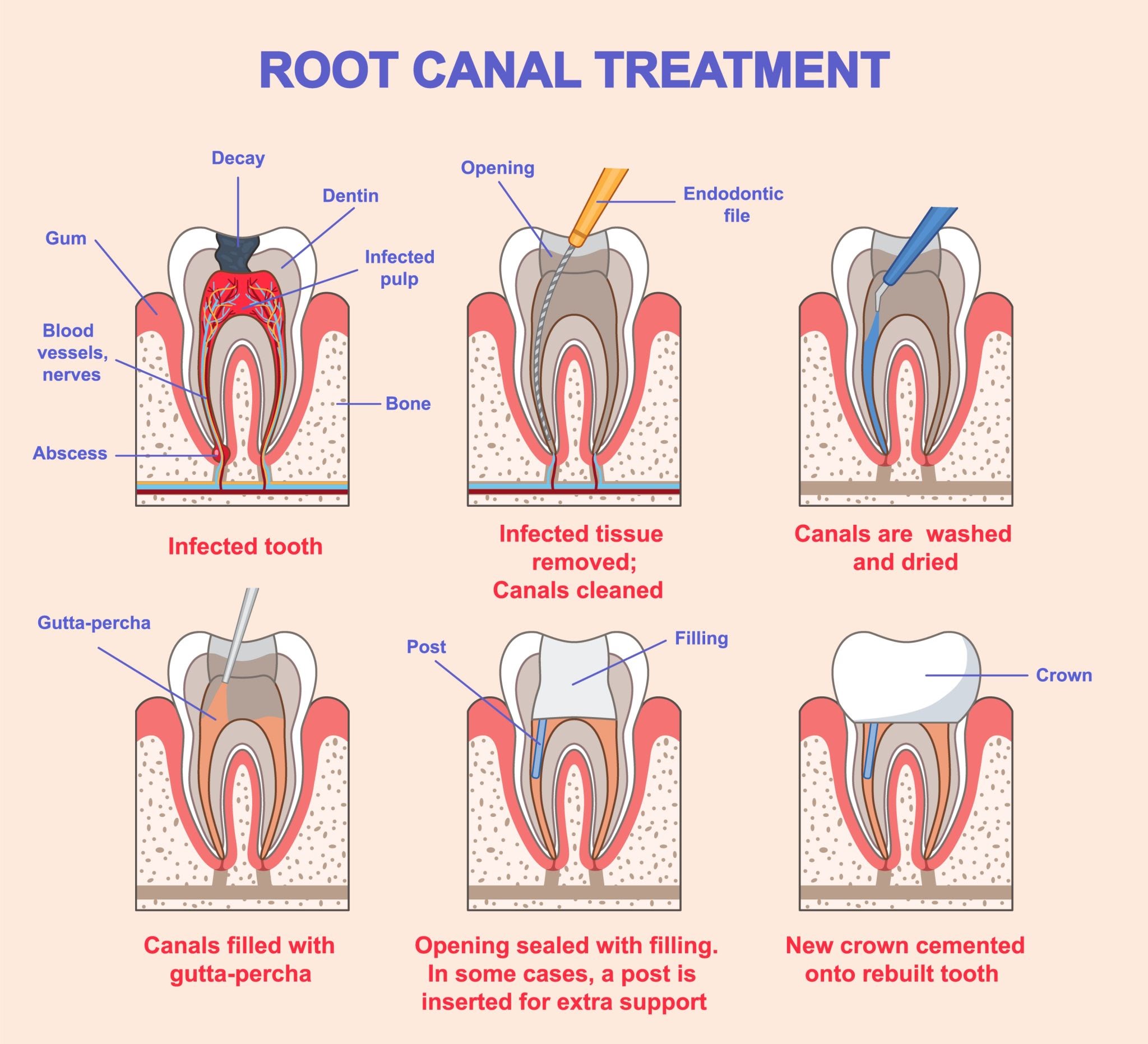
Inside every tooth is a chamber containing nerves and blood vessels (the pulp). When this pulp becomes infected, it causes intense pressure and throbbing pain. Root canal therapy is a microsurgical procedure that removes the infection, cleans the inside of the tooth, and seals it to prevent future problems. It allows you to keep your natural tooth for a lifetime.

Why Choose Gardens for Endodontic Care?
We use the latest advancements in dental technology to make your root canal as routine and comfortable as a simple filling.
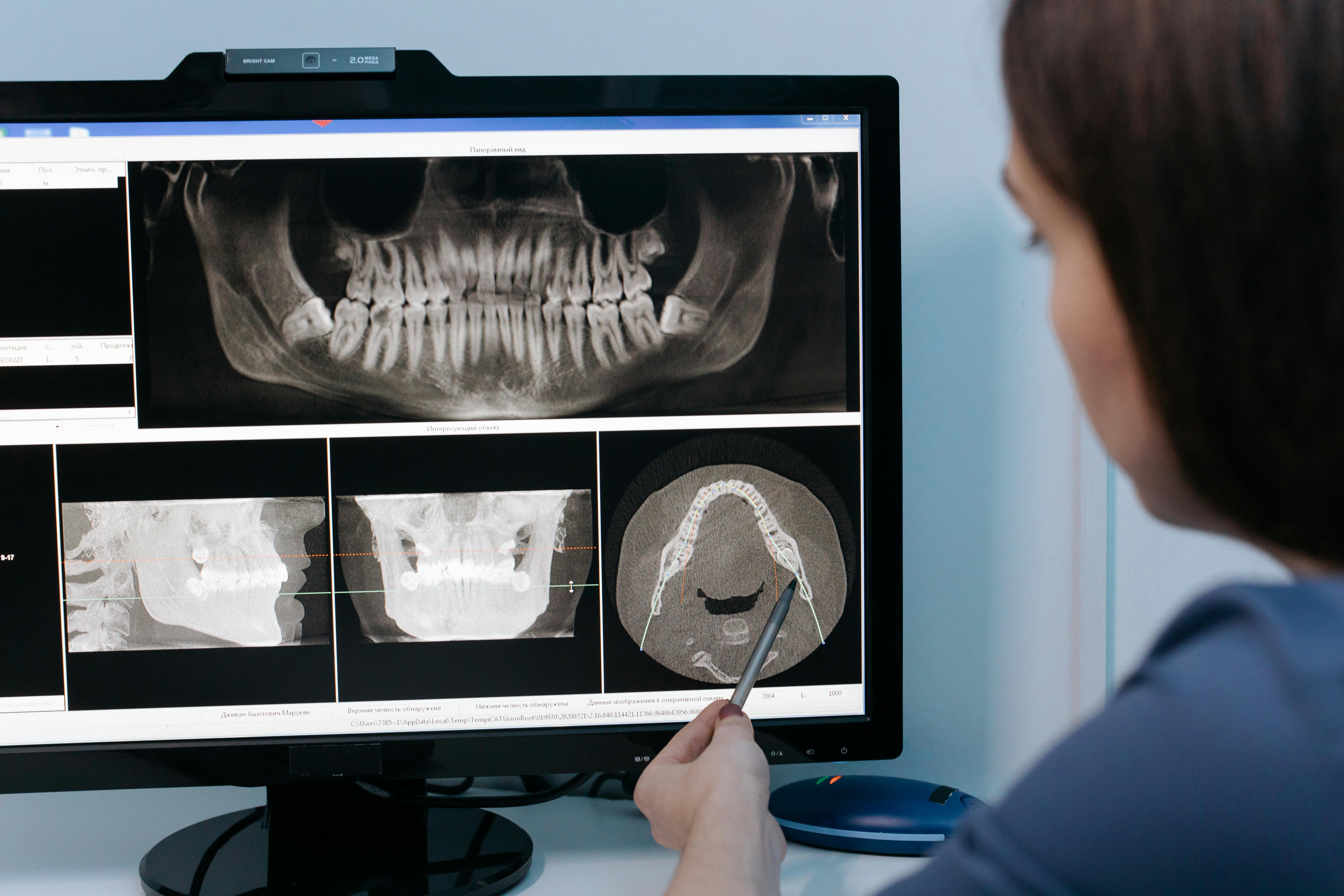
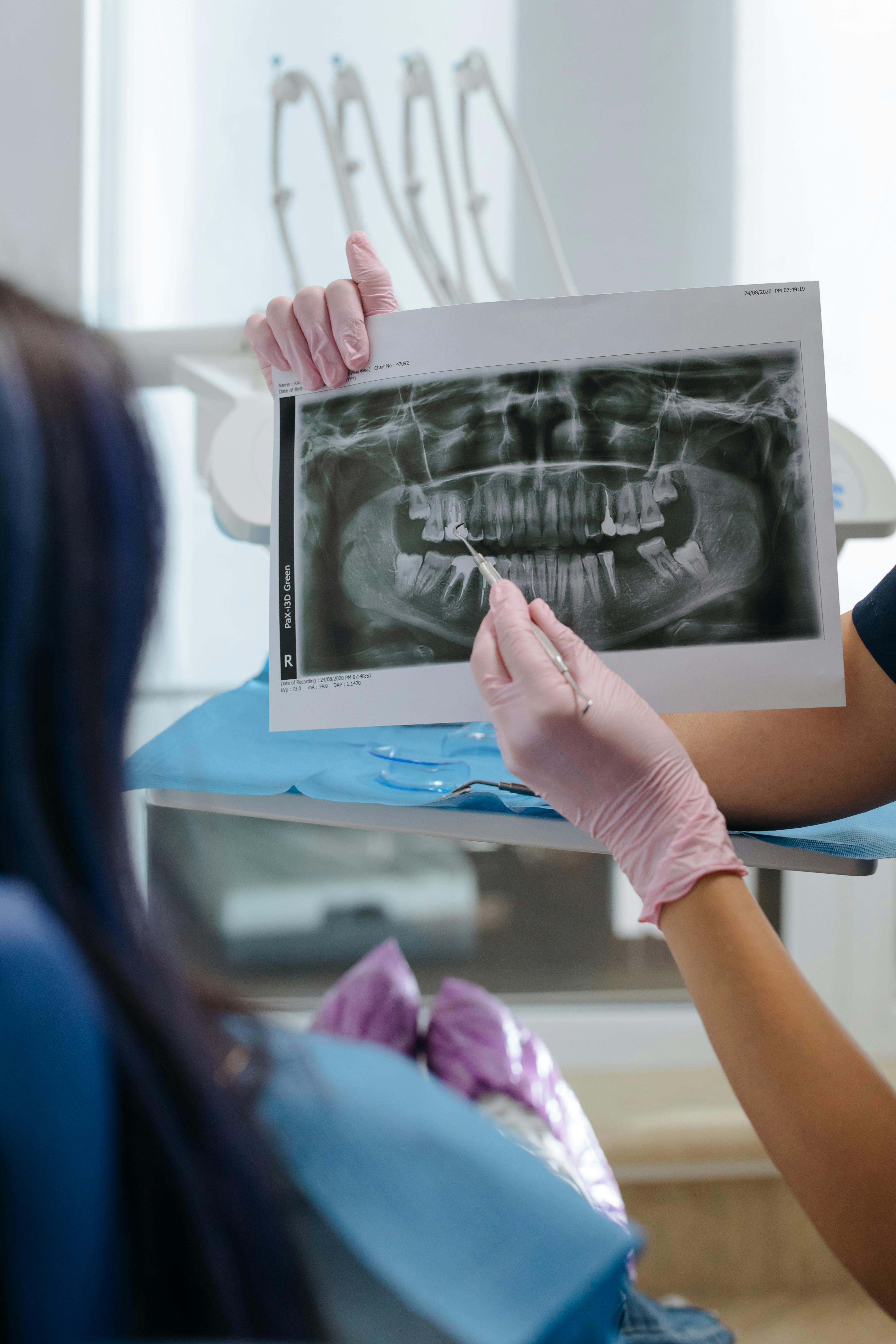
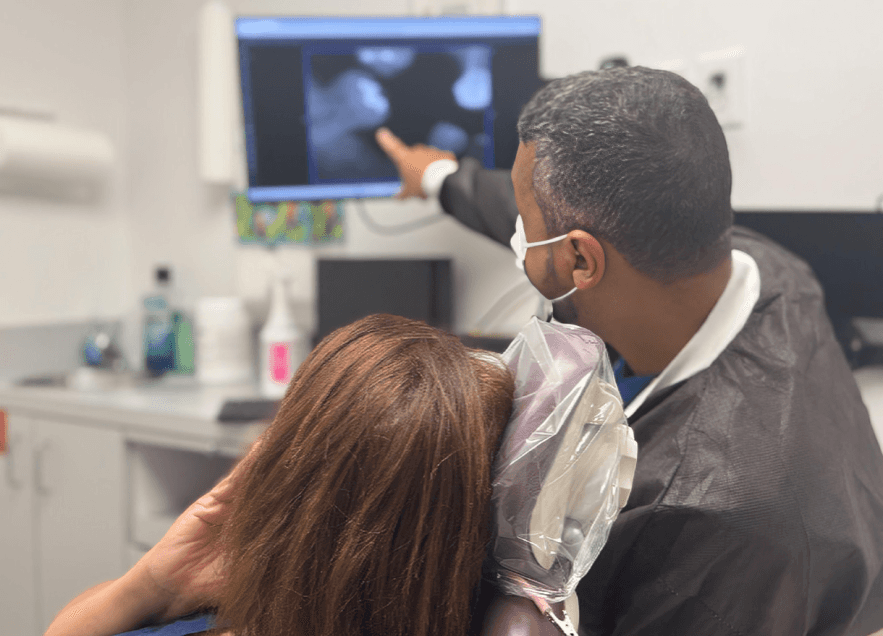
Advanced Diagnostics: We use 3D CBCT imaging to view the intricate canal anatomy of your tooth before we begin. This ensures we locate and treat every canal, leading to a higher success rate and preventing reinfection.
Gentle Techniques: We utilize modern rotary instruments that are quiet, fast, and precise, significantly reducing the time you spend in the chair.
Sedation Options: If you are anxious about the procedure, we offer Nitrous Oxide and IV Sedation. You can drift comfortably through your appointment and wake up with your tooth restored.
PROCEDURE
The Root Canal Process
We strive to complete your treatment efficiently, often in just one or two visits.
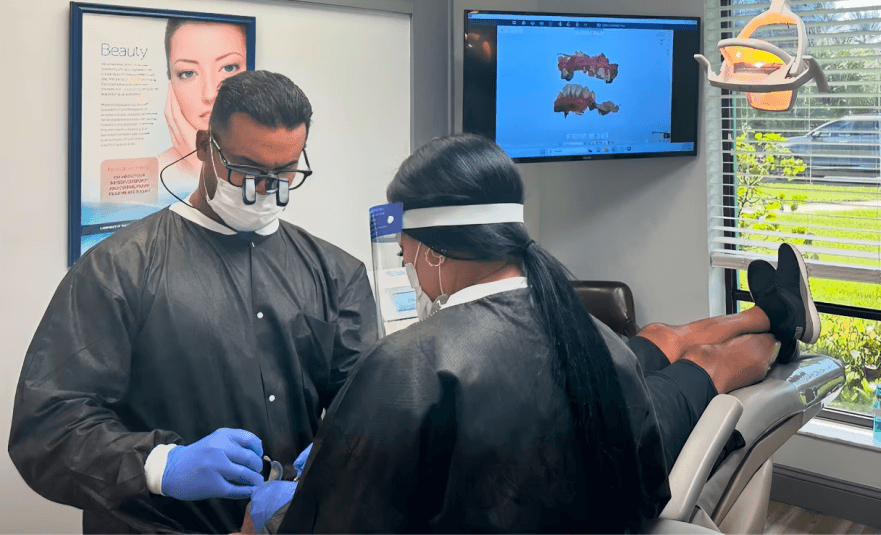
Numbing & Comfort: We start by applying a local anesthetic to completely numb the tooth and surrounding area. You should feel no pain during the procedure.
Removing the Infection: The dentist creates a small opening in the top of the tooth to access the pulp chamber. We carefully remove the infected nerve tissue and bacteria.
Cleaning & Shaping: The inner canals are thoroughly cleaned, disinfected, and shaped to prepare them for filling.
Sealing: We fill the empty canals with a biocompatible rubber-like material called gutta-percha to seal out bacteria.
Restoration: Because the tooth is now hollow, it can be brittle. We typically place a Dental Crown to cover and strengthen the tooth, restoring its full function and appearance.

TESTIMONIAL
Patient Success Story: From Agony to Relief
Actual Patient Scenario
The Challenge: "Sarah," a 35-year-old nurse, woke up with a throbbing toothache that radiated to her ear. She couldn't chew on that side and was sensitive to hot coffee. She was terrified she would have to lose the tooth.
The Solution: Sarah came in for an emergency exam. Dr. Shakya diagnosed an irreversible infection in the nerve. He performed a root canal treatment that same morning.
The Result: The moment the anesthesia kicked in, Sarah felt relief. The procedure took about an hour. We placed a temporary crown, and she returned to work the next day with zero pain. After her permanent crown was placed, she told us, "It was easier than getting a filling. I wish I hadn't been so scared."
FAQs
Frequently Asked Questions
Does a root canal hurt?
No. With modern anesthesia, a root canal is no more painful than getting a routine cavity filled. The pain you feel comes from the infection, and the root canal removes that infection.
Why shouldn't I just pull the tooth?
Saving your natural tooth is always the best option. An extraction leaves a gap that can cause bone loss and shifting teeth. Replacing a tooth with an implant or bridge is also more expensive and complex than saving it with a root canal.
Will the tooth turn black?
Not with modern techniques. In the past, the materials used could darken teeth over time. Today, we use materials that maintain the natural color of the tooth structure. Additionally, the tooth is usually covered by a crown, which looks perfectly white and natural.
How long does it take to recover?
Recovery is very fast. You may feel some tenderness in the jaw from keeping your mouth open, or slight sensitivity for a day or two, but most patients return to their normal routine immediately.
Do I always need a crown afterward?
In most cases, yes, especially for back teeth (molars). The root canal removes the blood supply, making the tooth more brittle. A crown acts like a helmet to protect the tooth from fracturing when you chew.