What Is the Most Feared Dental Procedure? (And Why It's Less Scary Now)
Nearly 73% of Americans report dental fear. Learn what procedures people fear most, why those fears are often outdated, and how modern dentistry has changed the experience.

The Most Feared Dental Procedures Haven't Changed Much. The Procedures Themselves Have.
Dental Fear Is Incredibly Common, and It Keeps People Away
Dental anxiety is not a personality quirk. It's extremely widespread. A census-matched survey published in the Journal of the American Dental Association in 2025, conducted with 1,003 adults in late 2024, found that nearly 73% of Americans report being afraid of going to the dentist, with 45.8% describing moderate fear and 26.8% reporting severe fear (JADA, 2025). That's not a fringe number. It means more than two out of three people in your circle share some version of this fear. The problem is that fear keeps people away from care, and delayed care turns manageable problems into expensive ones.

The Three Most Feared Procedures, and the Reality Behind Each One
Needles, Drilling, and Extractions Top the List Consistently
Survey after survey points to the same three procedures as the most dreaded: the anesthetic injection, tooth drilling, and extractions. The fear of needles comes first for many patients, even before the procedure itself. The drill is feared for its sound as much as its sensation. In one study, 39% of patients identified pain as their primary fear, 24% cited the smell of chemicals, and 21% reported the sound of the drill as their top concern. What's striking is that most of these triggers are sensory, not based on actual pain. That gives us a lot to work with. Our patients at Gardens Implant & Cosmetic Dentistry are often surprised by how different the experience is compared to their last dental visit years ago. See what modern emergency dental care looks like today.
What's Actually Changed in Modern Dentistry
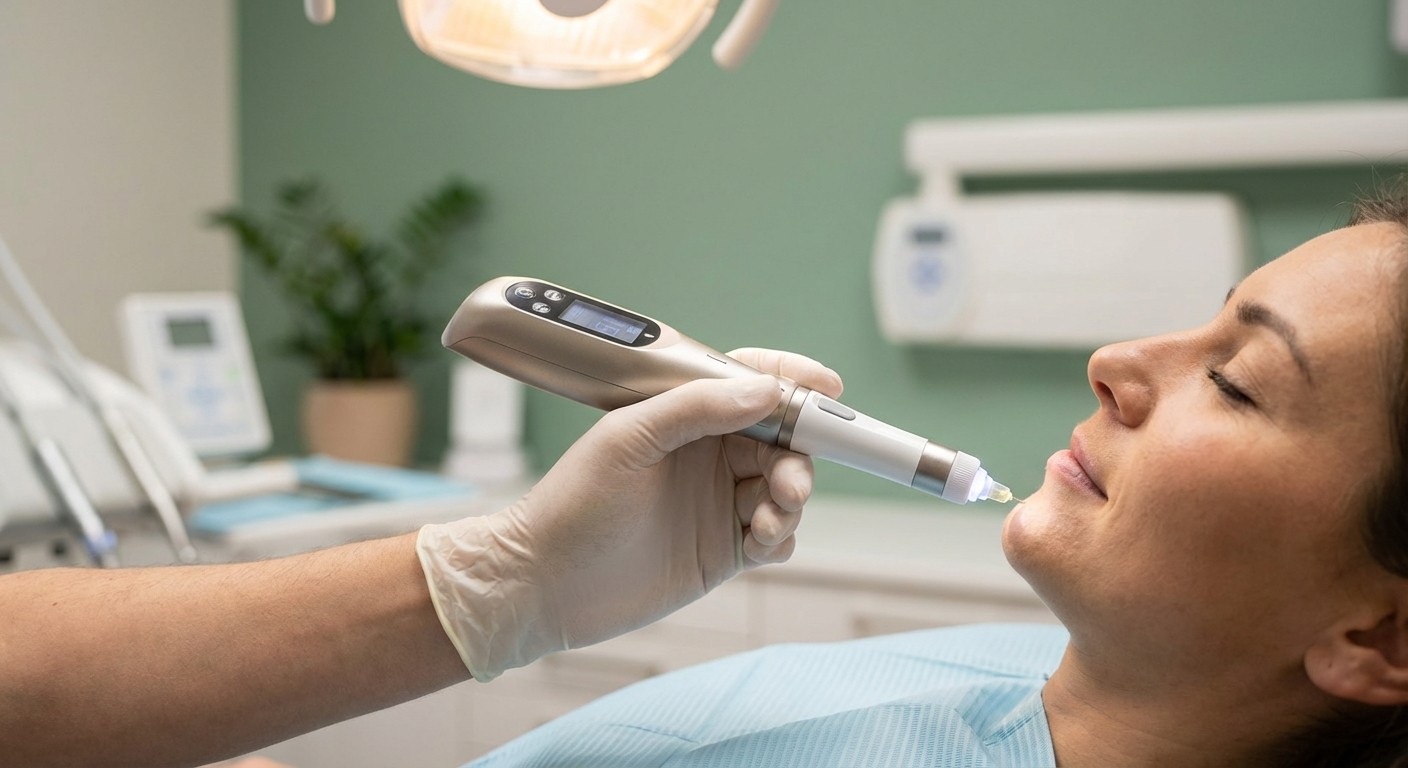
Computer-controlled anesthetic delivery systems deliver numbing agent slowly and at a consistent pressure, which is the main reason traditional injections caused discomfort. Topical anesthetics applied before the injection mean most patients don't feel the needle enter. Electric handpieces run quieter than older drills, and many practices offer noise-canceling headphones. For patients with moderate to severe anxiety, oral sedation and nitrous oxide remain widely available. The JADA study found that 71% of fearful adults said they'd be interested in a free online anxiety treatment program, which tells us people want to address this, they just don't know where to start. We approach anxious patients the same way regardless of the procedure: slow down, explain what's happening, and adjust to your pace.
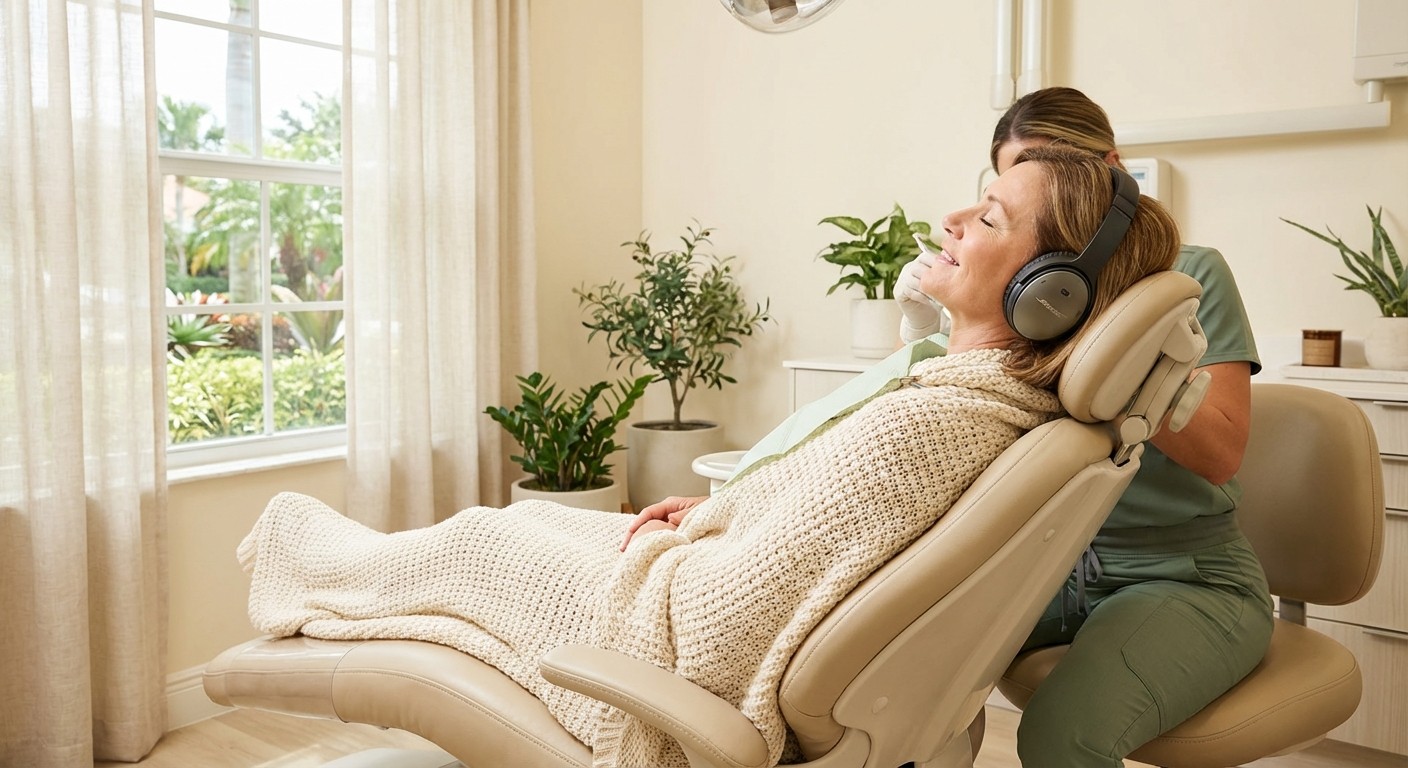

Dental fear is real, it's common, and it doesn't have to keep you out of the chair. In our experience, the biggest gap is between what patients imagine a procedure will feel like and what it actually feels like with a team that communicates clearly and moves at your pace. If you've been avoiding care because of a bad experience in the past, or just a long-held dread, we'd genuinely like the chance to change that for you. We serve patients across Palm Beach Gardens, Jupiter, and North Palm Beach.
Ready to find out if we're the right fit for you? Schedule a free consultation at Gardens Implant & Cosmetic Dentistry — serving Palm Beach Gardens, Jupiter, and North Palm Beach.
Blog


