What Disqualifies You From Dental Implants? An Honest Screening Guide
What disqualifies you from dental implants? Smoking, uncontrolled diabetes, severe bone loss, and a few other factors. Here's what's a hard no vs. fixable.
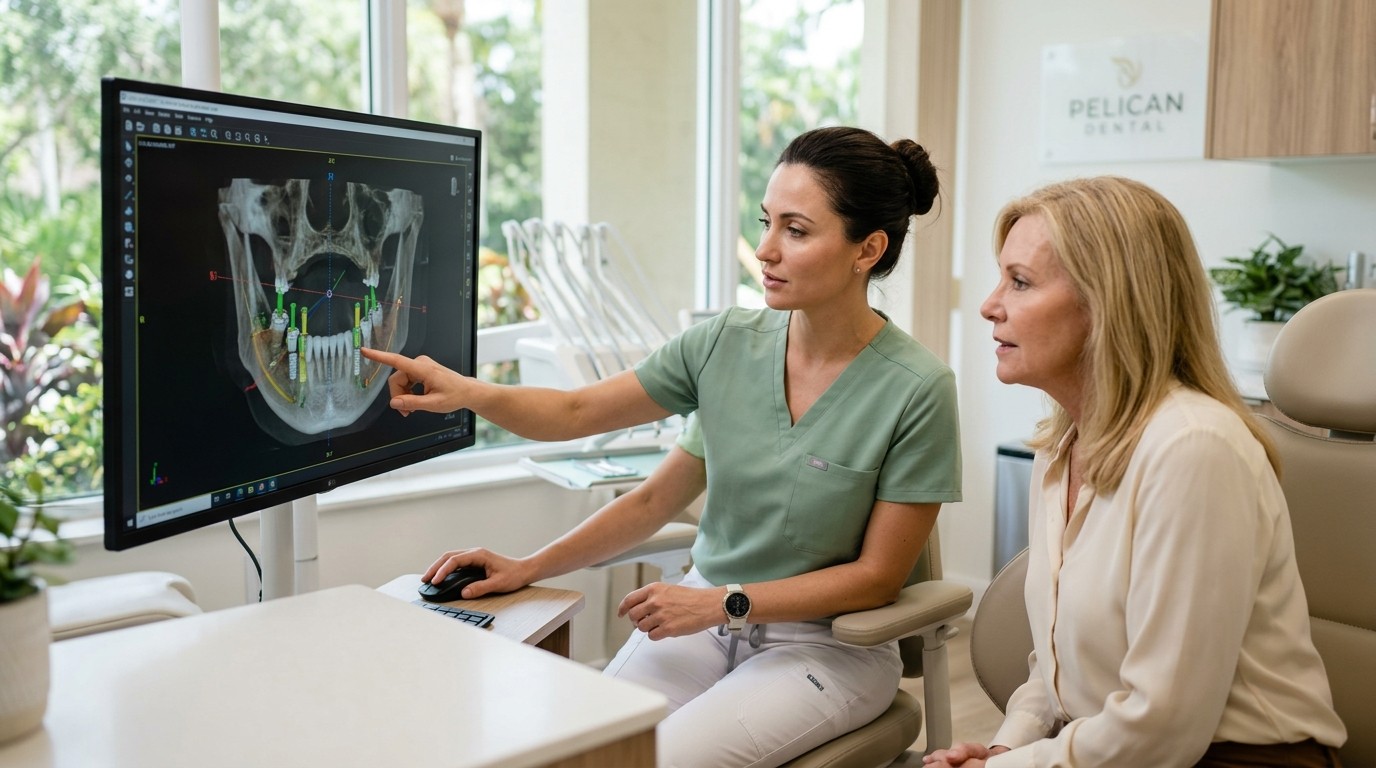
Most Disqualifications for Dental Implants Are Fixable, Not Final
When patients ask what disqualifies them from dental implants, the honest answer is that most disqualifications are situational, not permanent. Smoking, uncontrolled diabetes, active gum disease, and inadequate jawbone are the top reasons patients are told they're not candidates, but every one of those can be addressed before the implant procedure. The truly absolute contraindications are uncommon. What follows is a clear breakdown of which factors are a hard no, which are fixable, and which require a real conversation with your dentist before you make a decision.
The Top Factors That Disqualify You From Dental Implants Right Now
TLDR – Implant Disqualifications:
Heavy smoking: Failure rates between 6.5% and 20% in smokers, dose-dependent above 20 cigarettes per day.
Uncontrolled diabetes (A1C above 8): Slows healing, increases infection risk.
Active periodontal disease: Must be treated before implants are stable long-term.
Inadequate jawbone: Often fixable with grafting, not always disqualifying.
Active head or neck radiation therapy: Reduces bone healing capacity.
Recent IV bisphosphonate therapy: Risk of medication-related osteonecrosis of the jaw.
Severe bleeding disorders: Surgery becomes high-risk.
Pregnancy: Elective surgery is typically deferred until after delivery.
Active substance abuse: Affects healing, hygiene, and follow-through.
Tobacco use is the single most common modifiable disqualifier. A 2024 systematic review found smoker failure rates between 6.5% and 20%, with a clear dose-dependent relationship: patients smoking more than 20 cigarettes per day face significantly higher failure risk than light smokers (PMC, NCBI). The mechanism is reduced blood supply to the surgical site, slower wound healing, and impaired osseointegration. We don't refuse to place implants in smokers, but we strongly recommend cessation at least four weeks before surgery and through the first three months of healing.
Diabetes is the second most asked-about factor. The current evidence is reassuring: a 2022 systematic review and meta-analysis found that patients with well-controlled type 2 diabetes had peri-implant bone stability comparable to non-diabetic patients (PMC, NCBI). The line is whether your A1C is under control. Patients with A1C above 8 face elevated infection and healing complications, and we typically recommend optimizing glycemic control with your physician before surgery. Diabetes itself does not disqualify you, uncontrolled diabetes does.

Bone Loss and Periodontal Disease: Almost Always Fixable First
Inadequate jawbone is one of the most common reasons patients are told they're not implant candidates, and it's also the one most often misunderstood. Bone grafting can rebuild lost ridge volume in the upper or lower jaw. Sinus lift procedures can restore bone height in the upper back where the maxillary sinus sits low. These are predictable procedures that add three to six months to your overall timeline but turn a no into a yes. Patients who have been edentulous for years often need grafting because bone resorbs after teeth are lost, but resorption is reversible with the right surgical plan.
Active Gum Disease Must Be Treated Before Implants
Active periodontal disease is a real disqualifier until it's treated. Implants are still vulnerable to bacterial infection of the surrounding tissue (peri-implantitis), and patients with untreated gum disease are at substantially higher risk of late implant failure. The fix is straightforward: scaling and root planing, sometimes laser periodontal therapy, and a strict at-home hygiene regimen. Once your periodontal status is stable, implant placement is back on the table. We will not place implants while gum disease is active because the long-term outcome will not justify the cost.
Medical Conditions That Genuinely Make Implants High-Risk
A small set of medical conditions makes elective implant surgery a poor choice. Active head and neck radiation therapy reduces bone vascularity and healing capacity for years afterward, and most surgeons will defer implants in patients within five years of head and neck radiation. Recent intravenous bisphosphonate therapy (typically used for cancer treatment or severe osteoporosis) carries a meaningful risk of medication-related osteonecrosis of the jaw. Severe uncontrolled bleeding disorders, untreated severe heart disease, and active malignancy under treatment are reasons to delay or rule out surgery. None of these are forever in every case, but they require coordination with your treating physicians, and sometimes traditional dentures or implant-supported dentures placed when health allows are better short-term solutions.

When Patients Disqualify Themselves and Don't Realize It
There's a category of disqualification that doesn't show up in textbooks: patients who can't or won't commit to the maintenance dental implants require. Implants need daily brushing, daily flossing or water flosser use around the implant, and professional cleanings every three to six months for life. Patients with significant cognitive decline, ongoing substance abuse, or a history of skipping dental cleanings are at much higher long-term risk of failure. We have this conversation upfront because the implant doesn't fail on day one, it fails three to seven years in when peri-implantitis sets in and bone loss starts. If maintenance is genuinely not realistic for you, we'll suggest alternatives that don't carry the same upkeep burden.
Get a Real Screening, Not a Generic Yes or No
Have you been told you're not a candidate for dental implants? Get a second opinion. Most disqualifications are fixable: smoking can be paused, diabetes can be controlled, gum disease can be treated, and bone can be rebuilt. Our team at Gardens Implant & Cosmetic Dentistry, serving Palm Beach Gardens, Jupiter, and North Palm Beach, will review your medical history, take a 3D scan to evaluate bone, and tell you straight what's true: you're a candidate now, you're a candidate after we fix X, or implants honestly aren't the right move for you. Schedule a comprehensive implant evaluation. Call (561) 691-1629 or book your free consultation.
Blog