Throbbing Tooth Pain That Comes and Goes: What It Means and What to Do
Experiencing throbbing tooth pain that comes and goes? Discover the common causes and why you shouldn't ignore this warning sign from your Palm Beach Gardens dentist.
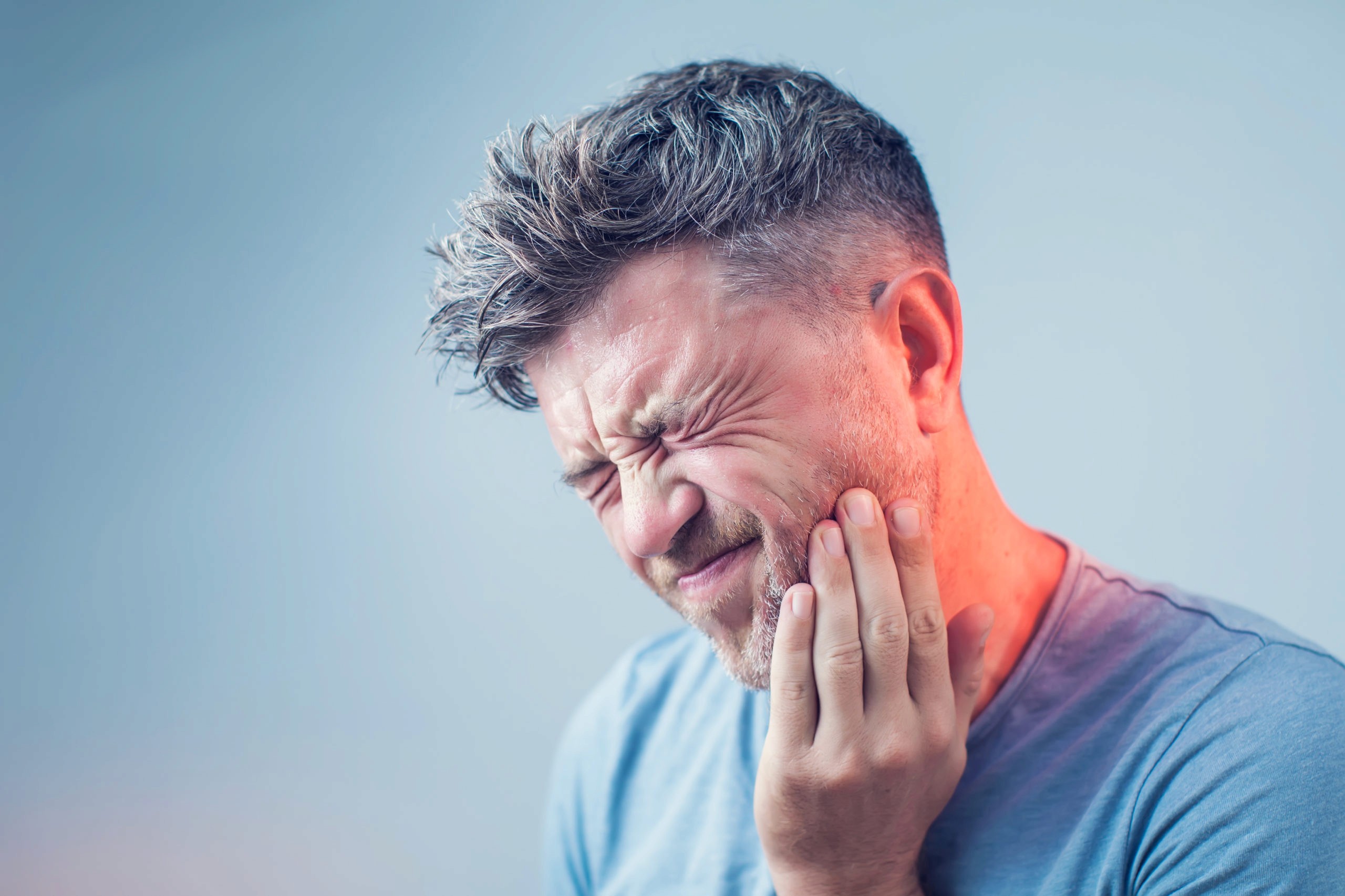
The Mystery of the Intermittent Toothache
It usually starts subtly. Maybe you take a sip of hot coffee and feel a sharp zap, or perhaps you lie down to sleep and feel a dull, rhythmic pulse in your jaw. You worry for a moment, but then the pain vanishes. You go about your week, thinking you dodged a bullet.
Then, a few days later, it returns, stronger, louder, and harder to ignore.
Throbbing tooth pain that comes and goes is one of the most confusing symptoms patients experience. Because the pain isn't constant, it is easy to rationalize it away. You might tell yourself it’s just sensitive teeth, a sinus headache, or stress. However, in the world of dentistry, pain is rarely random. It is your body’s alarm system, and a "throbbing" sensation is a specific warning signal that requires attention.
At Gardens Implant and Cosmetic Dentistry, we often see patients who waited until the "come and go" pain turned into "stay and scream" pain. In this guide, we will explore what causes this specific type of discomfort and why catching it early can save your tooth and your wallet.

The Anatomy of a Toothache: Why Does It Throb?
To understand the pain, you have to understand the tooth. Your tooth is not a solid rock; it is a complex organ. The outer layer (enamel) is hard and unfeeling. Underneath lies the dentin, which is more sensitive. But at the very center is the pulp, a soft chamber filled with nerves, blood vessels, and connective tissue.
When a tooth "throbs," you are essentially feeling your own heartbeat inside your tooth.
The Pressure Cooker Effect: When the pulp becomes irritated or infected, your body sends extra blood to the area to fight the issue.
The Problem: Unlike a swollen ankle that has room to expand, your tooth pulp is trapped inside hard enamel. The swelling has nowhere to go, creating intense pressure. This pressure squeezes the nerves, resulting in that rhythmic, pounding sensation.
5 Common Causes of Intermittent Throbbing Pain
Why does the pain disappear and reappear? It often depends on the trigger. Here are the most common culprits.
1. Reversible Pulpitis (Early Decay)
This is the "warning shot." If you have a small cavity or a loose filling, bacteria can irritate the nerve.
The Pattern: You feel a throb only when you provoke the tooth, usually with cold water, sugary sweets, or hot coffee. Once the trigger is removed, the pain fades quickly.
The Verdict: This is usually reversible! If you catch it now, a simple filling is often all you need.
2. Irreversible Pulpitis (Deep Decay)
If early decay is ignored, bacteria penetrate deeper into the nerve.
The Pattern: The throbbing starts lingering. It might hurt for 5 minutes after you eat ice cream, or it might start throbbing spontaneously when you lie down at night (due to blood rushing to your head).
The Verdict: The nerve is actively dying. The pain "comes and goes" as the nerve struggles. This stage typically requires a root canal to save the tooth.
3. Cracked Tooth Syndrome
Teeth can develop hairline fractures from grinding, chewing ice, or old, large fillings.
The Pattern: You feel a sharp throb, specifically when you bite down or release a bite. It might disappear for days if you happen to chew on the other side of your mouth.
The Verdict: Cracks can be tricky to diagnose without professional imaging. Depending on the depth, a crown or root canal is needed to stabilize the tooth.
4. Sinus Infections
Sometimes, a toothache isn't a toothache at all.
The Pattern: Your upper back teeth (molars) throb, especially when you walk up stairs or bend over to tie your shoes.
The Reason: The roots of your upper teeth sit just millimeters below your sinus cavity. When your sinuses are congested and swollen, they press down on the tooth nerves.
The Verdict: If the pain affects multiple top teeth and you have a cold, wait a few days. If it persists, see us to rule out dental issues.
5. Gum Infection (Periodontal Abscess)
Food (like a popcorn kernel) can get trapped deep in the gum pockets, causing a localized infection.
The Pattern: A dull, throbbing ache in the gums that feels better if you floss or release the pressure, but returns as the bacteria build up again.
The Danger of "Waiting It Out"
The biggest mistake patients make is assuming that if the pain stops, the problem is gone.
The pain stopping can actually be a bad sign. If you have been suffering from severe throbbing pain that suddenly vanishes completely, it may mean the nerve inside your tooth has died (necrosis). You are no longer feeling pain because the "alarm" has been disconnected. However, the infection is still there. It will eventually spread into the jawbone, leading to a dental abscess, a dangerous pocket of pus that can cause facial swelling and systemic illness.
The Rule of Thumb: Tooth pain that resolves on its own within 24 hours might be minor irritation. Tooth pain that returns more than once, or is triggered by temperature, is a progressive issue that will not heal itself.
What To Do When the Throbbing Starts
If you can’t get to our Palm Beach Gardens office immediately, try these steps to manage the discomfort:
Salt Water Rinse: Mix a teaspoon of salt into warm water and swish gently. This helps reduce inflammation and clean out debris.
Over-the-Counter Medication: Ibuprofen (Advil/Motrin) is generally better for dental pain than Tylenol because it specifically targets inflammation. Always follow the dosage instructions.
Keep Your Head Elevated: If the throbbing is worse at night, prop yourself up with extra pillows. Lying flat allows more blood to rush to the head, increasing the pressure in the tooth.
Avoid Triggers: Stop chewing on that side and avoid extremely hot or cold foods.

Don’t Wait for the Pain to Return: Schedule Your Exam Today
Throbbing tooth pain that comes and goes is your body asking for help. It is the difference between a small filling today and a complex root canal or extraction next month.
At Gardens Implant and Cosmetic Dentistry, we prioritize getting you out of pain and back to your life. Our advanced diagnostics can pinpoint the exact cause of your intermittent pain, whether it’s a hidden crack or a silent infection. Don’t wait for the pain to return.
Contact us today to schedule an exam and stop the throbbing for good.
Blog


