Are You a Good Candidate for Dental Implants? A Comprehensive Checklist
Wondering if you qualify for dental implants? Our 2025 guide explores the 5 key signs of a good dental implant candidate, including bone density, gum health, and lifestyle factors.
Is the Gold Standard of Tooth Replacement Right for You?
Living with missing teeth is a challenge that affects every aspect of your day. It changes the way you eat, allowing only soft or processed foods. It alters the way you speak, sometimes causing a lisp or mumbling. And perhaps most significantly, it impacts the way you smile, causing you to hide your joy behind a hand or tight lips.
If you are researching solutions, you have likely discovered that dental implants are widely considered the gold standard in modern dentistry. Unlike dentures or bridges, implants replace the entire tooth structure, root and all, providing a permanent, stable foundation that looks, feels, and functions just like natural teeth.
But as you read about this life-changing procedure, one question inevitably rises to the surface: "Am I a candidate for dental implants?"
It is the most common question we hear at Gardens Implant and Cosmetic Dentistry. The answer is rarely a simple "yes" or "no." Instead, it is a "let's find out." While advancements in dental technology have made implants accessible to more people than ever before, specific biological and lifestyle factors still play a critical role in the success of the treatment.
In this comprehensive guide, we will break down the essential criteria for dental implant candidacy. From the density of your jawbone to the health of your gums, we will explore what makes an ideal candidate and how our expert team can help even complex cases qualify for this transformative solution.

The Checklist: What Determines Dental Implant Candidacy?
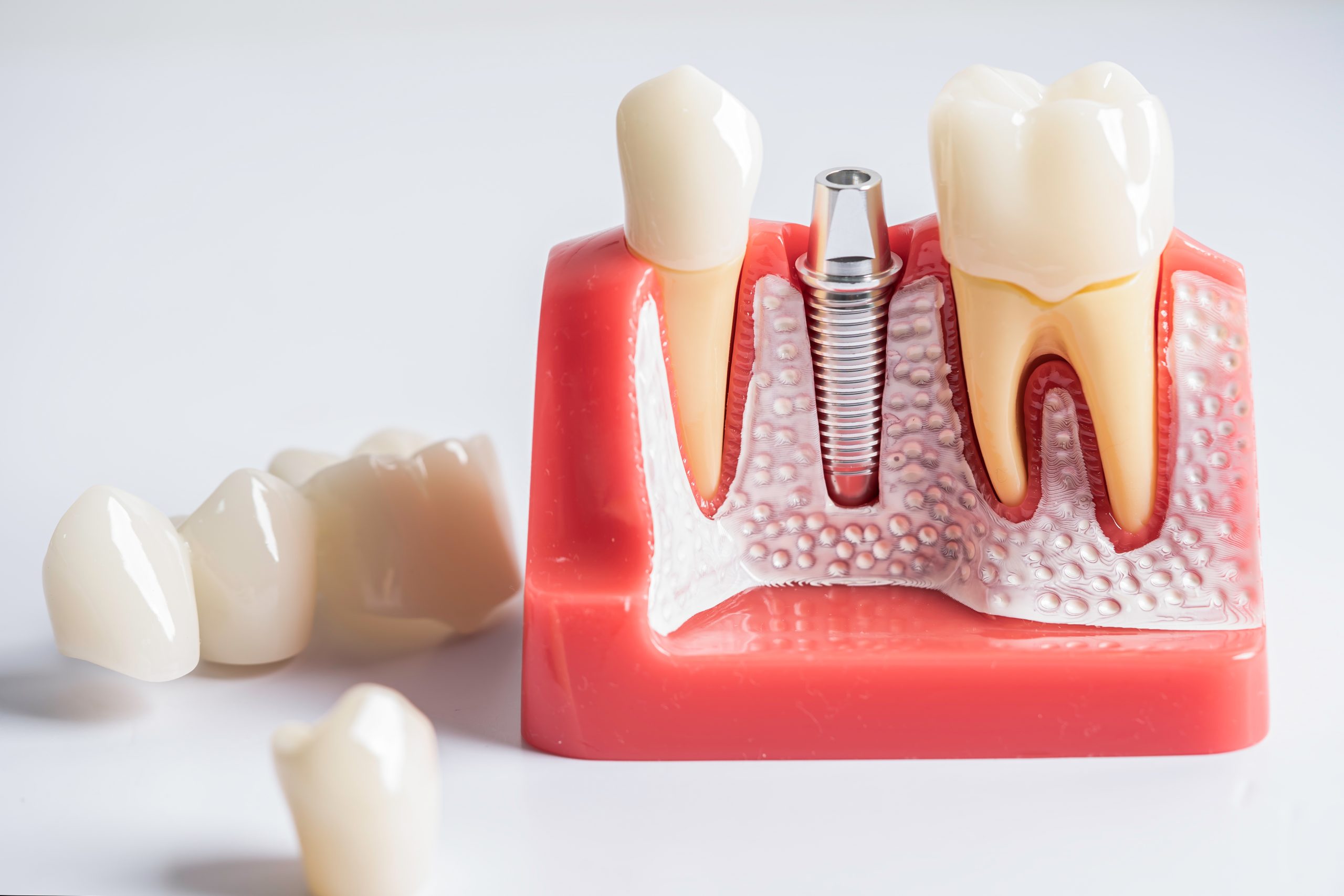
To understand if you are a candidate, you first need to understand how a dental implant works. A dental implant is a small, biocompatible titanium post that is surgically placed into your jawbone. Over a period of several months, your natural bone cells attach to this post in a biological process called osseointegration.
For this process to be successful, your mouth must provide a healthy environment. Here are the primary factors we evaluate during your consultation.
1. Bone Density: The Foundation of Success
The most critical factor in determining candidacy is the quality and quantity of your jawbone. Because the implant relies on the bone for stability, there must be enough dense, healthy bone to completely surround and support the titanium post.
Why Bone Density Matters: When you lose a tooth, the jawbone in that area no longer receives stimulation from chewing forces. As a result, the body begins to resorb (break down) that bone. If a tooth has been missing for many years, the bone may become too thin or soft to hold an implant securely.
Can I Get Implants if I Have Bone Loss? In the past, significant bone loss would automatically disqualify a patient. However, modern dentistry offers incredible solutions. If our advanced 3D CBCT scans reveal that your bone volume is insufficient, our periodontist, Dr. Jesse Lemoine, can often perform a bone grafting procedure.
Bone Grafting: We place specialized bone material into the jaw to encourage your body to regenerate new, strong bone tissue.
Sinus Lift: For upper implants, we can gently lift the sinus membrane and add bone to create the necessary depth.
While these procedures add a step to your journey, they allow patients who were previously told "no" to become excellent candidates for dental implants.
2. Gum Health: The Protective Barrier
Your gums act as a seal, protecting the underlying bone and the implant from bacteria.
The Risk: Active gum disease (periodontal disease) is an infection that destroys soft tissue and bone. If an implant is placed in a mouth with active gum disease, it is at high risk of developing peri-implantitis, a destructive infection that causes the implant to loosen and fail.
The Requirement: A candidate must be free of active periodontal disease. If you have gingivitis or periodontitis, we must treat and stabilize your gum health before moving forward with implant surgery.
3. General Health and Medical History
Because placing an implant is a surgical procedure, your body must be healthy enough to heal properly. During your consultation, we will review your complete medical history.
Diabetes: Patients with diabetes can absolutely get dental implants, provided their condition is well-controlled. Uncontrolled diabetes can slow healing and increase infection risk, so we may work with your physician to ensure your blood sugar levels are stable.
Autoimmune Disorders: Conditions that affect the body's ability to heal (like lupus or rheumatoid arthritis) require careful planning but are not always absolute barriers.
Medications: Certain medications, specifically bisphosphonates used for osteoporosis, can affect bone healing. It is vital that you provide us with a full list of your medications so we can plan safely.
4. Lifestyle Habits: The Impact of Smoking
If there is one lifestyle factor that threatens the success of a dental implant, it is smoking. Nicotine constricts blood vessels, significantly reducing blood flow to the gums and bone. This deprives the surgical site of the oxygen and nutrients needed for healing and osseointegration.
The Reality: Smokers have a statistically higher rate of implant failure than non-smokers.
The Recommendation: We strongly advise patients to stop smoking for at least several weeks before and after the procedure. Quitting completely is the best way to protect your investment and your health.
5. Age: Is There a Limit?
We are often asked if a patient is "too old" for dental implants. The answer is no. Health is the determining factor, not age. We have successfully placed implants in patients in their 80s and 90s who enjoyed fantastic results.
However, a patient can be too young. Dental implants should not be placed until the jawbone has finished growing, typically around age 18-21. Placing an implant too early can interfere with natural facial development.
The Consultation: Where We Find the Answers
The only way to know for sure if you are a dental implant candidate is through a comprehensive evaluation. At Gardens Implant and Cosmetic Dentistry, we use state-of-the-art diagnostic technology to look beneath the surface.
3D CBCT Imaging: This allows us to see the exact width and height of your bone, the location of nerves, and the health of your sinuses in three dimensions.
Oral Exam: We assess the health of your gums and remaining teeth.
Conversation: We discuss your goals, budget, and timeline to ensure implants are the right choice for your life.

Your Path to Candidacy Starts Here
If you have been told in the past that you aren't a candidate for implants, or if you are simply worried that your case is too complex, don't lose hope. With procedures like bone grafting and soft tissue therapy, our specialists can help the vast majority of patients qualify for this life-changing treatment.
You deserve to eat, speak, and smile with total confidence. Let us help you determine the best path forward.
Ready to Find Out If You Are a Candidate? Don't rely on guesswork. Schedule your comprehensive evaluation with our expert team today. We will provide a clear, honest assessment and build a personalized plan to restore your smile.
Blog


