
OUR SERVICES
Mini Dental Implants
Mini Dental Implants: Big Stability in a Smaller Package
If you have been told you don't have enough bone for traditional implants, or if you are looking for a more affordable way to secure a loose denture, you might think you are out of options.
At Gardens Implant & Cosmetic Dentistry, we offer a versatile and minimally invasive solution: Mini Dental Implants (MDIs).
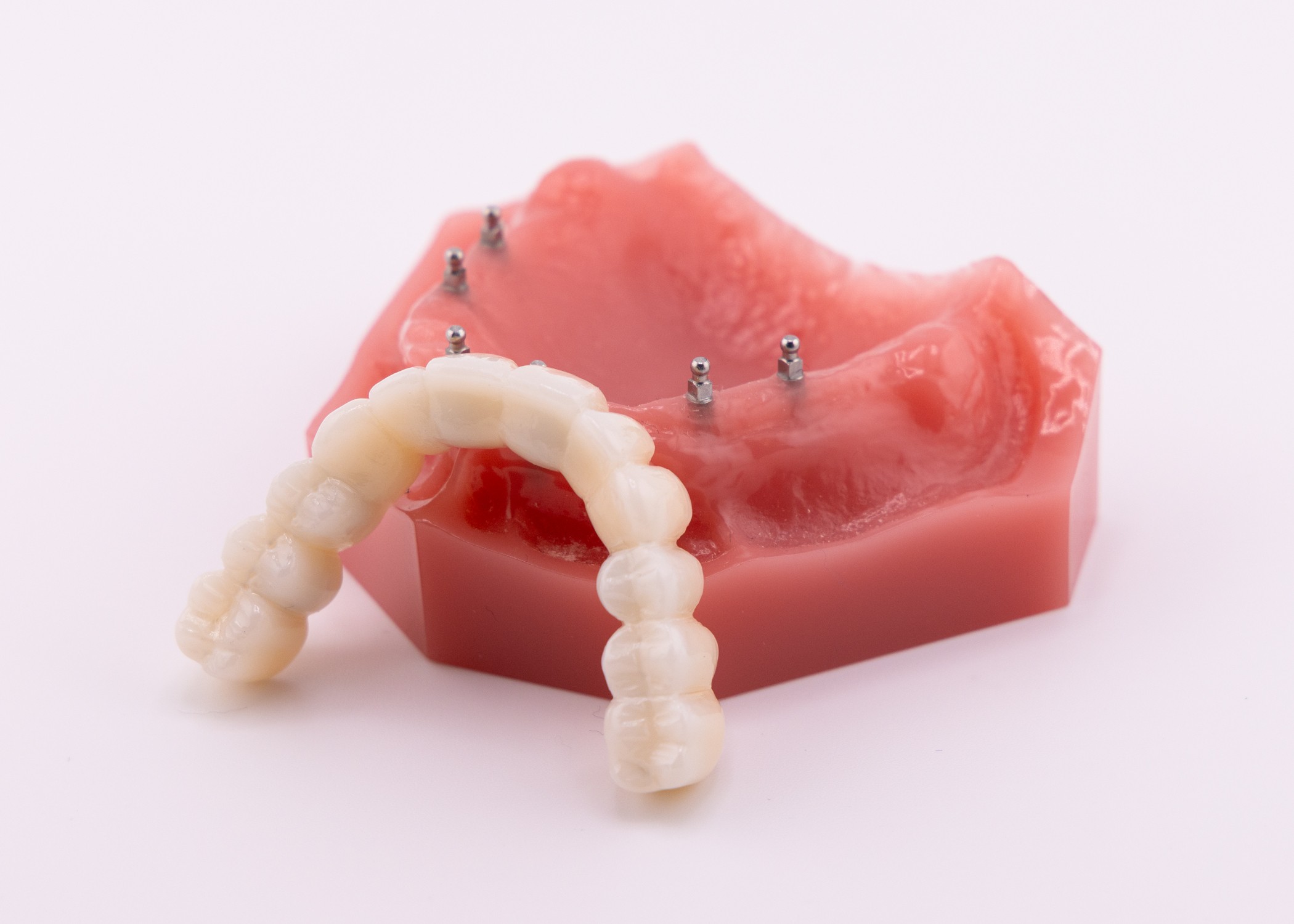
Mini implants are exactly what they sound like, ultra-slim titanium posts that act like the roots of your teeth. Because of their smaller diameter, they can often be placed in areas where the bone is too thin for standard implants, usually without the need for complex bone grafting surgery.

Why Choose Gardens for Mini Implants?
Choosing the right type of implant requires an expert evaluation. Here is why patients in Palm Beach Gardens trust Dr. Hans Almanzar to guide their decision:
Honest Assessments: We don't push one solution. Dr. Almanzar is an expert in both traditional and mini implants. He will honestly tell you if "minis" is a durable long-term option for you or if a standard implant would serve you better.
Minimally Invasive Care: Because mini implants are so slim, placing them is often a "flapless" procedure. This means no cutting of the gums and no stitches, leading to a much faster and more comfortable recovery.
Immediate Function: In many denture stabilization cases, we can place the mini implants and attach your denture on the same day, allowing you to eat comfortably immediately.
PROCEDURE
The Mini Implant Process
The procedure for mini implants is faster and simpler than traditional implant surgery.
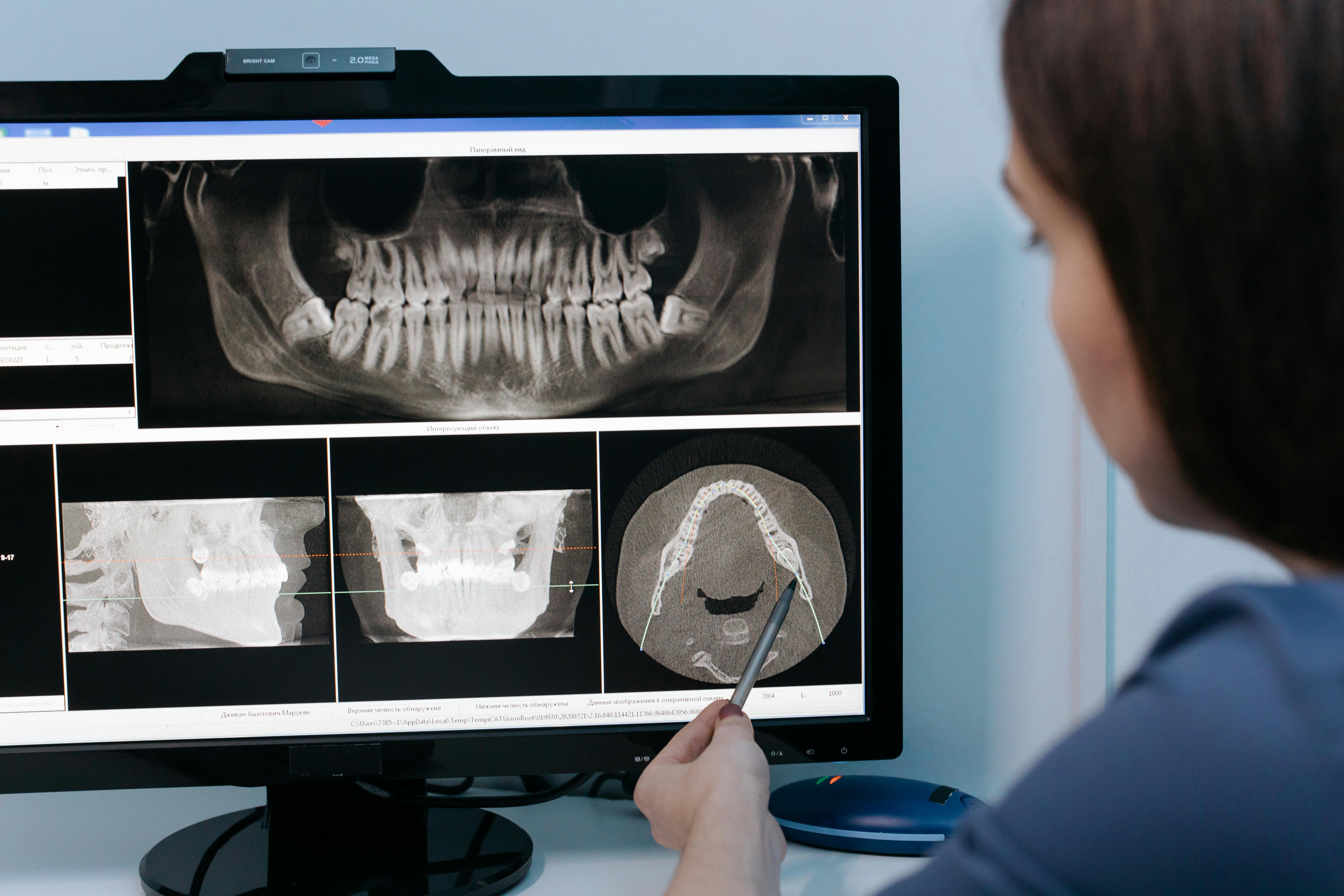
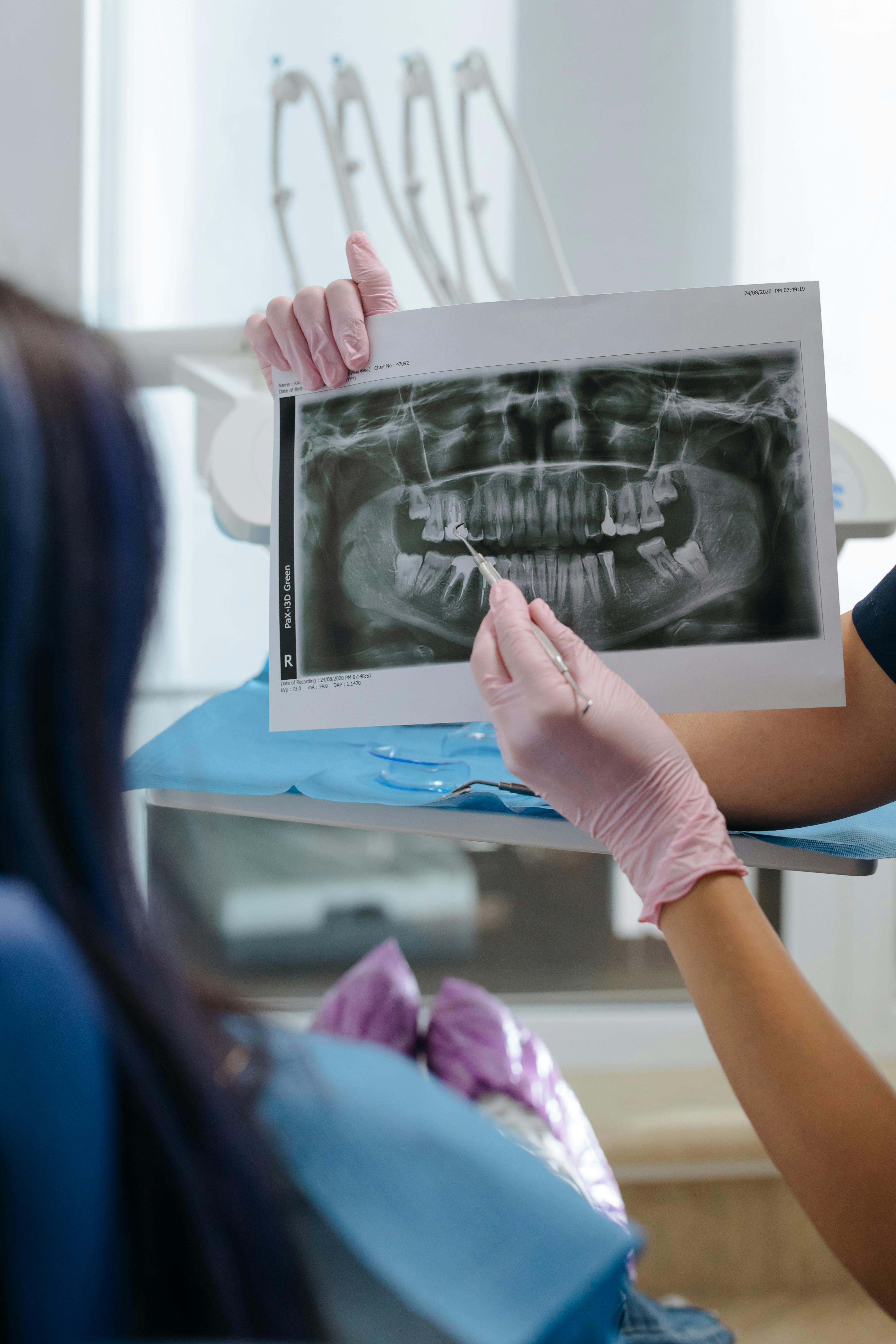
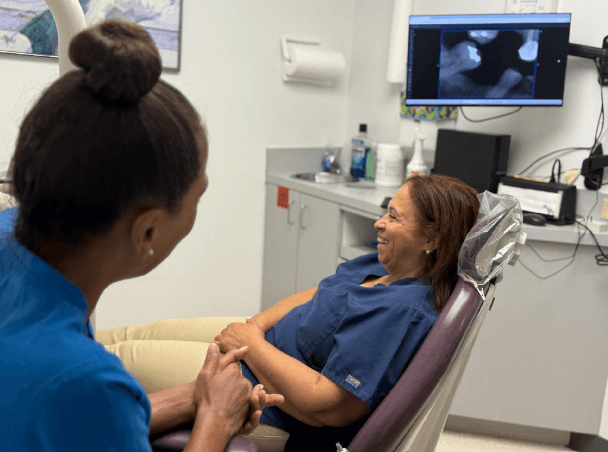
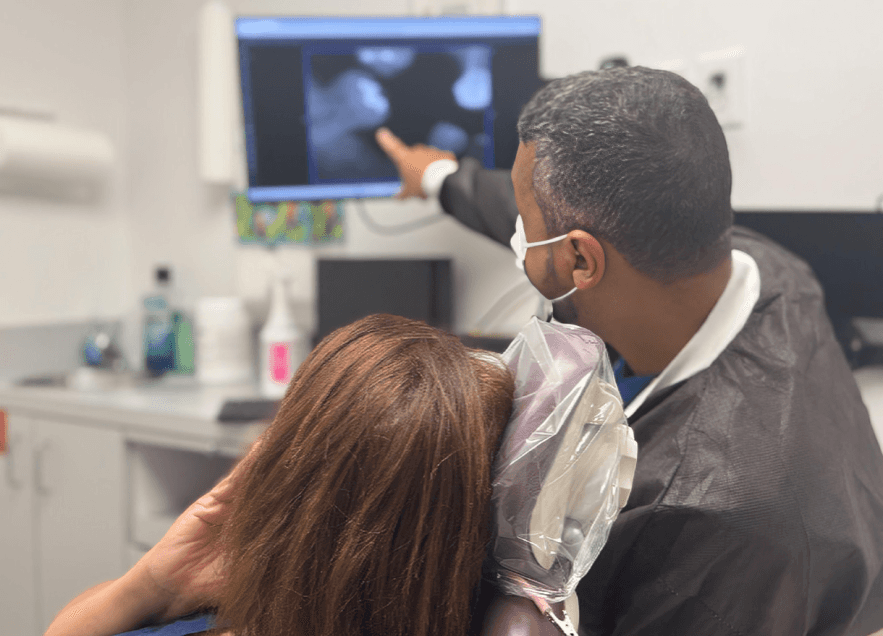
Evaluation: We use digital X-rays to assess your bone density. If you have a narrow ridge of bone, mini implants may be the perfect fit.
Placement: Dr. Almanzar gently threads the mini implants into the jawbone through a tiny pinhole opening in the gum. It is quick and requires only local anesthesia.
Attachment: The top of the mini implant is shaped like a ball. We place a corresponding socket (O-ring) inside your denture.
Snap & Go: Your denture snaps securely onto the ball-headed implants. You walk out with a stable smile that won't slip or rock.

TESTIMONIAL
Patient Success Story: No More Glue
Actual Patient Scenario
The Challenge: "Eleanor," 75, had a lower denture that floated around her mouth. She used messy adhesive paste three times a day just to keep it in. She wanted implants but was told by another dentist that her jawbone was "too thin," and she would need extensive bone grafting, which she didn't want to go through.
The Solution: She came to us for a second opinion. Dr. Almanzar confirmed the thin bone but offered a solution: four mini dental implants. They fit perfectly into her narrow jaw without grafting.
The Result: The procedure took less than 90 minutes. We modified her existing denture to snap onto the new mini right there in the chair. Eleanor threw her adhesive in the trash on her way out. She said, "I can finally eat salad and talk without my teeth clicking. It was so easy!"
FAQs
Frequently Asked Questions
How are they different from regular implants?
Standard implants are wider (3mm+) and consist of two pieces (the implant and the abutment). They are used for heavy biting forces. Mini implants are narrower (less than 3mm) and are one solid piece. They are best for stabilizing dentures or replacing small front teeth.
Are they as strong?
They are very strong for their size, but they are not designed for the same heavy loads as standard implants. We typically use more of them (e.g., 4 minis vs. 2 standard implants) to distribute the pressure evenly.
Is the recovery faster?
Yes. Because there are no incisions or stitches, most patients feel fine within 24 hours. The discomfort is minimal compared to traditional surgery.
Are they cheaper?
Yes. Mini implants are generally more affordable than standard implants because the hardware costs less and the surgical procedure is faster and simpler.
Can they replace any tooth?
Not usually. They are primarily used to stabilize dentures or replace very small teeth (like lower incisors). For replacing a large molar that does heavy chewing, a traditional implant is still the superior, long-lasting choice.