The Downsides of All-on-4 Dental Implants: An Honest Look
All-on-4 implants aren't right for everyone. Here's an honest, clinical look at the real downsides, risks, and complications — and how to reduce them.
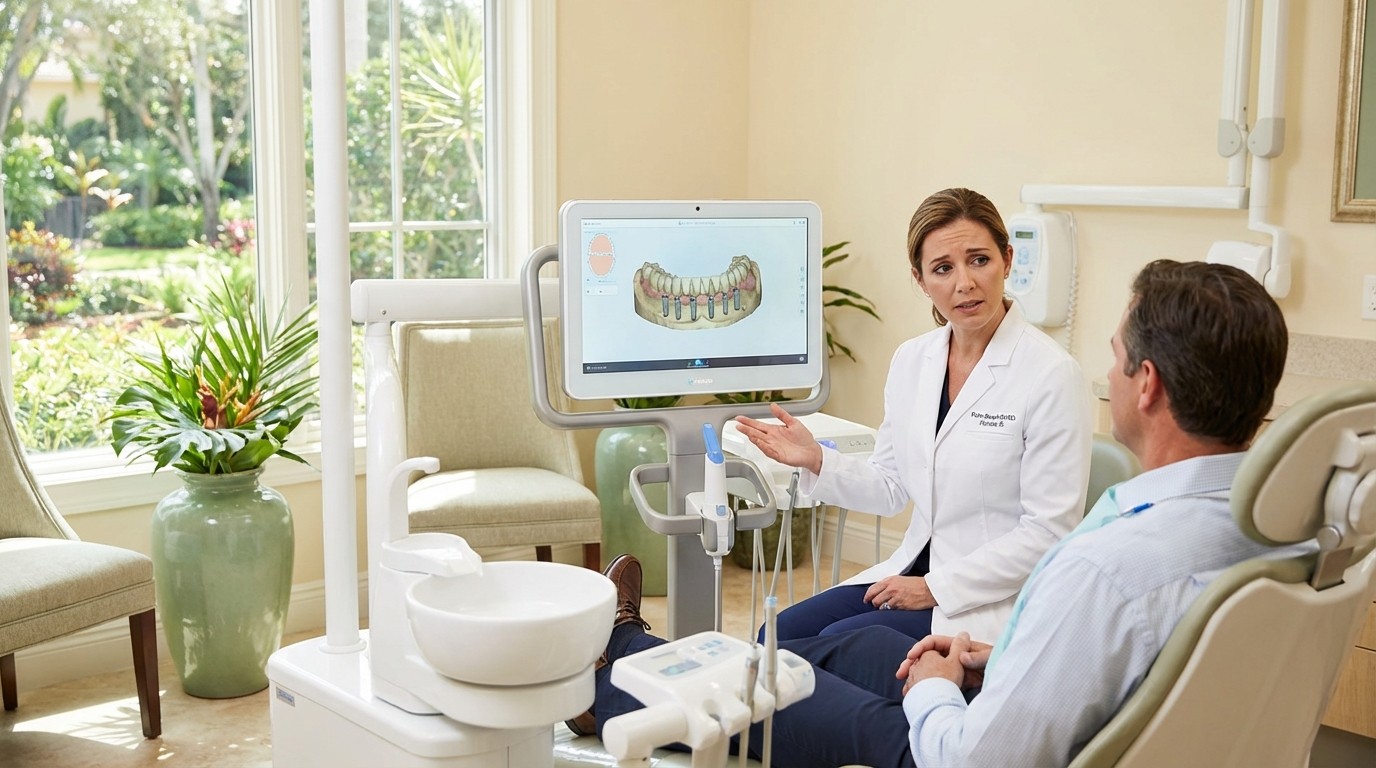
All-on-4 Has a Strong Track Record, and Real Limitations Worth Knowing
The success rate is high, but complications do happen
All-on-4 implants are one of the most studied full-arch restoration systems in modern dentistry. Clinical data shows cumulative implant survival rates of 94.8% at five years and 93.8% at ten years of follow-up (PubMed, Malo et al., 2011). That's genuinely good. But "94%" also means roughly 1 in 17 patients experiences some form of implant-level complication. Knowing the downsides before you commit, not after, is the kind of information that helps you make a confident, clear-eyed decision.

The Real Risks of All-on-4 Implants, Explained Plainly
Peri-implantitis: the most common long-term threat
Peri-implantitis is an infection of the tissue and bone surrounding an implant. It's the single biggest long-term risk, and research suggests it affects 10 to 20% of implant patients over time, with higher rates in people who have a history of gum disease or inconsistent oral hygiene (AAID Connect). The condition can be managed when caught early, but left untreated it leads to bone loss around the implant posts and eventual failure. This is why maintenance appointments aren't optional. Our periodontal treatment services include monitoring protocols specifically designed for implant patients so problems get caught before they compound.
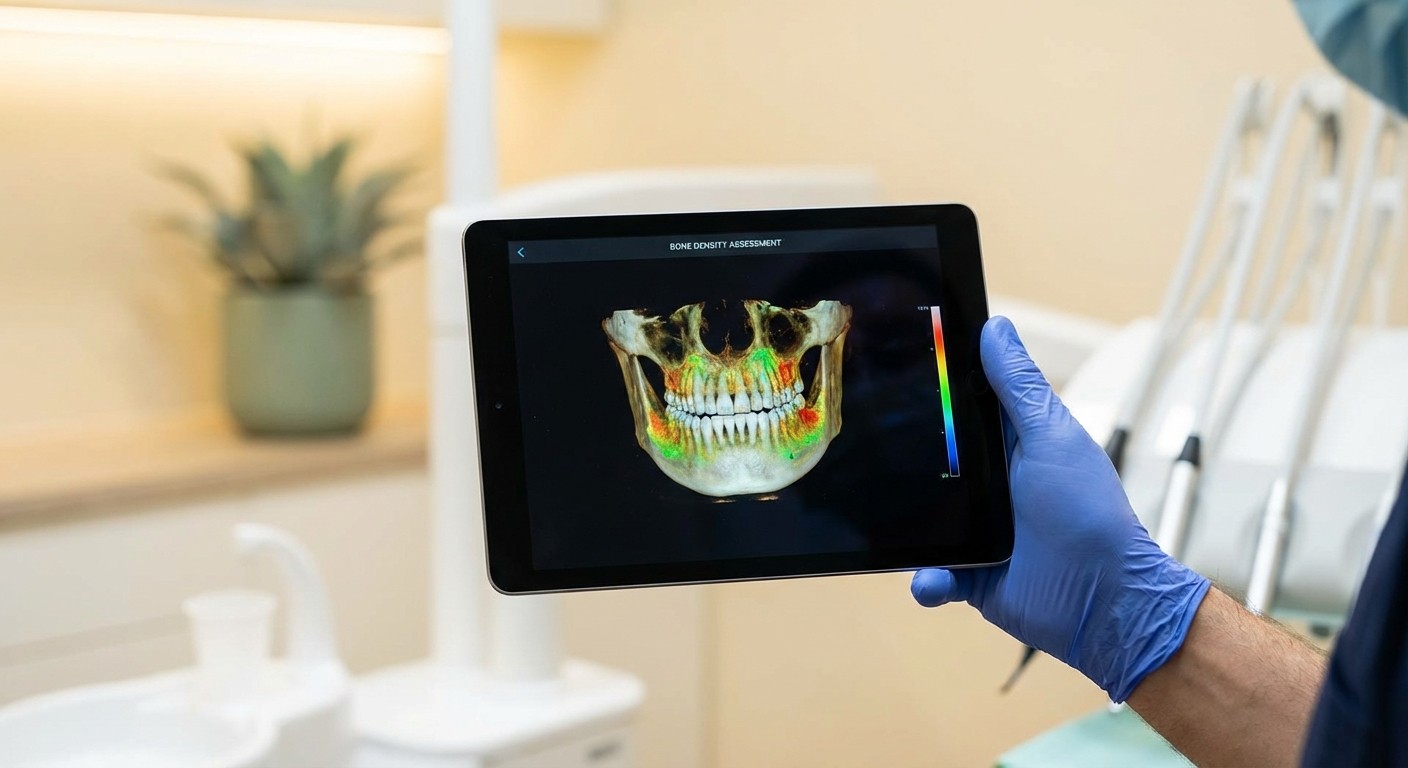
Prosthesis wear and mechanical complications are common
The implant posts themselves are designed to last decades. The prosthetic teeth sitting on top of them are not. During up to 18 years of follow-up, mechanical complications including screw loosening or prosthesis fracture occurred in 29.5% of provisional restorations and 36.7% of final prostheses (Nobel Biocare clinical data). Most of these were minor, but they underscore an important point: budget for maintenance. Acrylic prostheses typically need replacement every 5 to 10 years. Zirconia-based options hold up longer but aren't immune. Smoking and uncontrolled diabetes significantly raise failure risk across the board. For a broader look at implant risk factors, our dental implant risks guide covers the full picture.
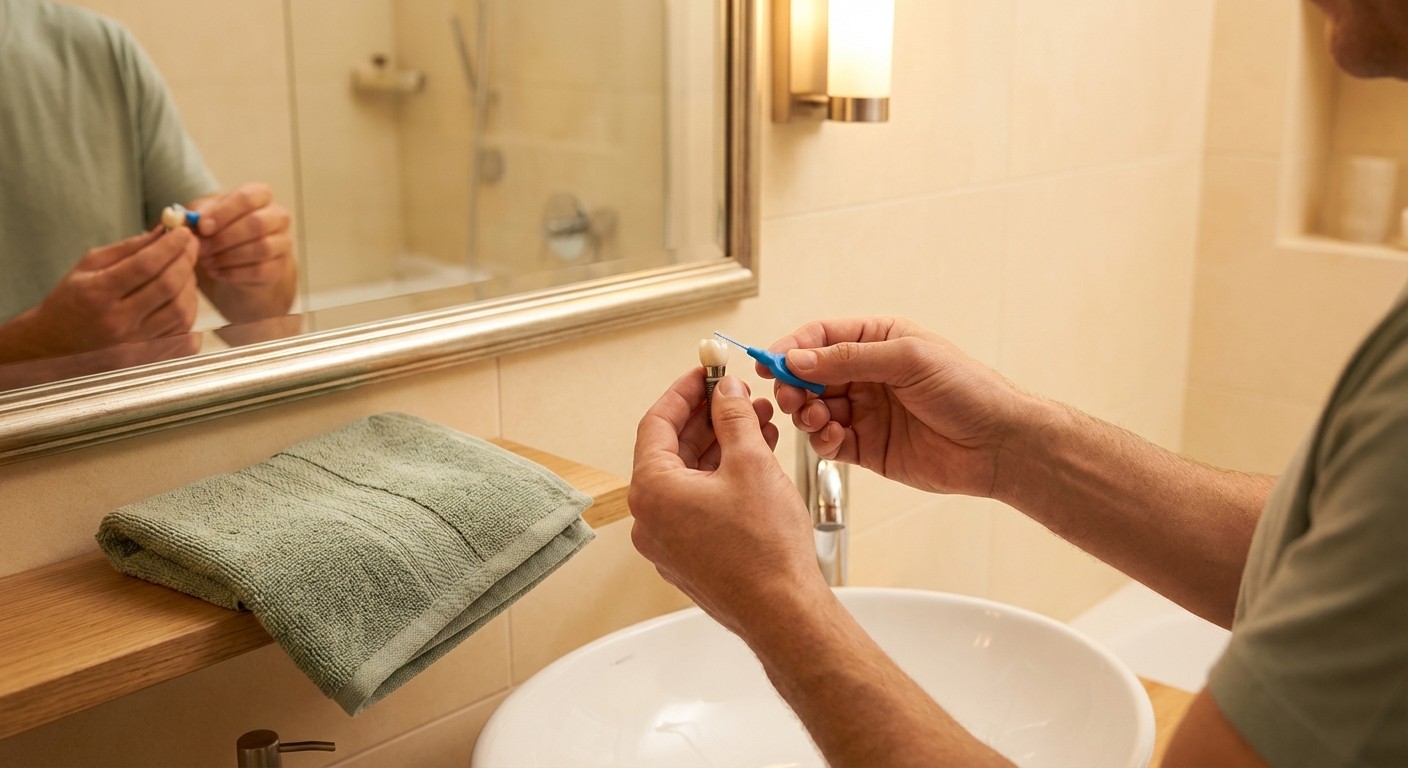

None of this is meant to scare you off All-on-4. For the right patient, it's a genuinely life-changing solution. But "the right patient" is a clinical determination, not a marketing tagline. At Gardens Implant & Cosmetic Dentistry, Dr. Almanzar conducts a thorough evaluation including CBCT imaging and a full medical history review before recommending any implant approach. We'd rather tell you early that a different solution fits better than discover it mid-treatment.
Ready to find out if All-on-4 implants are right for you? Schedule a free consultation at Gardens Implant & Cosmetic Dentistry — serving Palm Beach Gardens, Jupiter, and North Palm Beach.
Blog


